
.webp)


Retaining existing customers is far more cost-effective than acquiring new ones, yet most Shopify store owners overlook it. A mobile app is one of the most powerful retention tools available, giving your brand 24/7 visibility on customers' phones through push notifications, faster checkouts, and loyalty programs. Used strategically, it transforms one-time buyers into repeat customers who spend more over time.


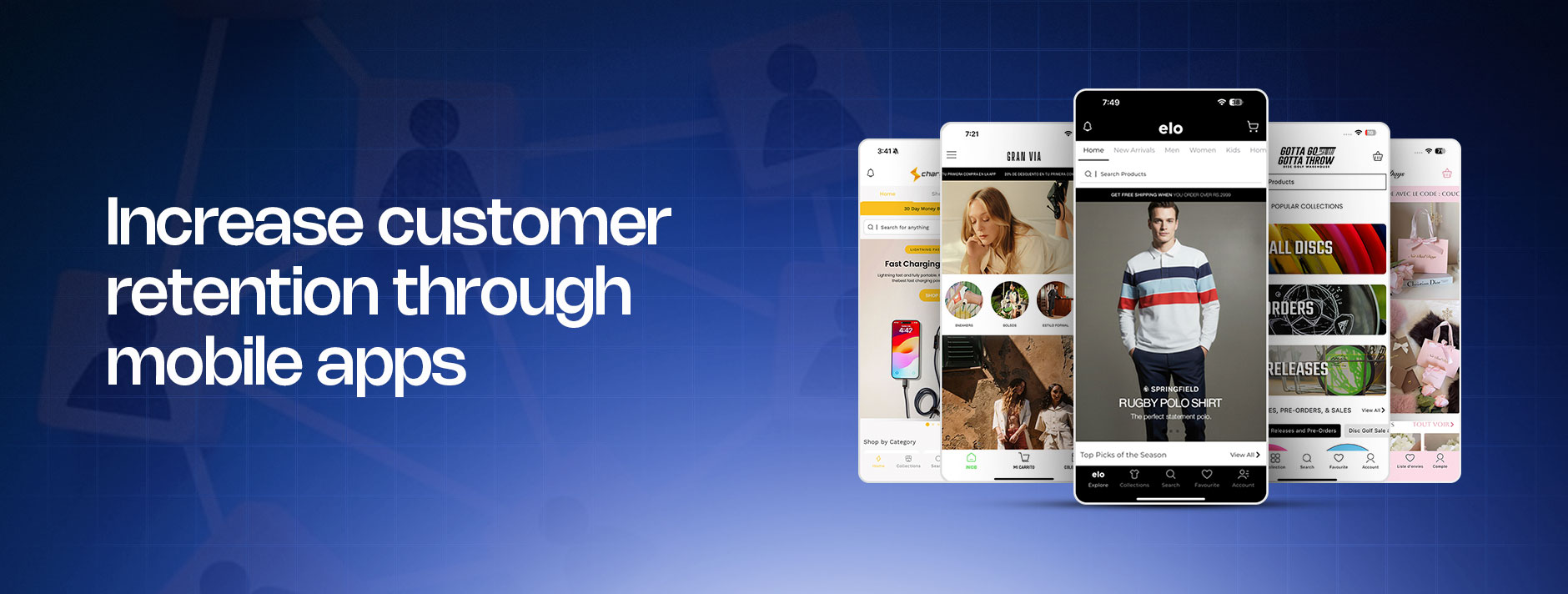
%20(1).png)
Shopify store owners pour money into ads, SEO, and influencer deals to bring in new customers. And that makes complete sense because you need traffic to survive. But the problem is that little or no attention is paid to customer retention management. If people buy once and disappear, you're stuck on a treadmill. You spend to acquire, they buy once, they leave, you spend again.
But retention breaks that cycle. And right now, one of the most underused retention tools for e-commerce brands is a mobile app.
In this article, we’ll walk you through why retention is your biggest growth lever, what makes mobile apps so effective at keeping customers coming back, and how to actually make it work for your store. So, stay with us!
Let’s talk numbers because numbers speak for themselves.
Read this: How Gran Via boosts customer retention through iOS and Android mobile apps
Several studies have found that acquiring new customers costs 5 to 25 times as much as retaining existing ones. As a matter of fact, a recent study found that the conversion cost through Google Ads hovers between $30 and $90. On LinkedIn, the cost is much lower, and on Meta (Facebook and Instagram), it's somewhat higher.
Another study found that paid ads account for up to 33% of total conversion costs. It’s 1/3rd of your revenue being taken away by third-party platforms (which you would have saved had you brought your store to mobile apps - we’ll explain it later).
When it comes to spending behaviors, the numbers again favor retention. On average, returning customers spend at least 67% more per order than a first-time buyer. That's not a small difference. That's the difference between a store that scrapes by and one that compounds. This is why customer retention management is extremely important if you are selling through your Shopify stores.
Here's what retention actually looks like in practice:
A customer buys from you once. If you do nothing, he forgets you exist, and he is not to be blamed. The competition is tough.
A customer buys from you once. If you do nothing, there's a good chance they forget you exist. They didn't have a bad experience; now imagine that same customer has your app on their phone. They get a push notification when you drop a new collection. They check their loyalty points while waiting for coffee. They get a personalized discount on their birthday. They browse your products on their commute.
That's not luck. That's a retention system.
A mobile app isn't just a smaller version of your website. It's a fundamentally different relationship with your customer. Here's why it works.
Your brand lives on their phone: When you make your customer download your app, your brand enjoys 24/7 free visibility on their home screen every single day - without you paying zero dollar ever. You send a push (sales, new stock, back in stock, abandoned cart), it lands on their screen, even when the mobile is locked. Every time they unlock their phone, they see your logo. That kind of passive visibility keeps your brand top of mind in a way that email or social media simply can't replicate.
Push notifications beat email: Email open rates now stand at less than 20%, with industry experts predicting it will drop to 15% by the end of 2026. The same goes for SMS. On top of it, the more emails or SMSs you send, the more money you pay to the service provider. On the other hand, mobile app push notifications enjoy a staggering open rate of 60% to 70%. Also, Tapday’s push notifications are unlimited and AI-powered. It means you can send them as many times as you want to your customers without paying an additional dollar. Basically, they are free.
The buying experience is faster: Mobile browsers are clunky. Logging in, finding the cart, and re-entering payment details, there is friction at every step. Native apps remove this friction by saving the information (one-tap or one-click checkouts), load 6x faster, and make the path from browsing to checkout as short as possible. Less friction means more conversions, and more conversions from existing customers means higher retention revenue.
Loyalty programs become effortless: We don’t need to stress on how effective loyalty tools are when it comes to retention in e-commerce. But a loyalty program is only effective when customers can easily check and redeem their points. With native mobile apps, you can harness the power of push to remind your customers that they are close to a reward. Doing so foster a strong emotional relationship. Besides, it also increases repeat purchases as customers engage more and come back more to redeem their rewards.
Having an app isn’t enough. For customer retention management, you need to use this platform strategically. Here’s what actually moves the needle:
Onboard properly: When someone downloads your app, don’t just throw your product catalog at them. Instead, send them a welcome push; it makes them feel valued. Then, walk them through the app-exclusive products, deals, and loyalty programs. One of the proven strategy that Tapday-powered mobile apps operators use is giving their customers a small reward for signing up. Using these kinds of strategies on the very first experience sets the tone for everything that follows.
Use push notifications strategically, not aggressively: Too often, when Shopify brand owners find out that app-powered push notifications are free and unlimited, they bombard the screens of their customers. And believe us, this is the fastest way to get either unsubscribers or the app uninstalled. For proper customer retention management, the goal is to stay relevant (by delivering value), not frequent. Notify them about things that actually matter to them: a restock of something they viewed, a sale on a category they buy from, a loyalty reward they're close to unlocking. Quality over quantity, every time.
Create app-exclusive offers: You need to continuously give your customers a reason to keep the app installed. See, if your customers can get everything that is on your website in the app, too, the app becomes redundant. App-only flash sales, early access to new products, and exclusive bundles create genuine value for having the app and give customers a reason to check it regularly.
Read also: Best shopify mobile app builders in 2026
Build a loyalty loop: Every time a customer opens the app, they should feel like there's something in it for them. Points they're accumulating. A reward they're close to. A streak they're maintaining. Gamification isn't manipulation; it's making engagement rewarding. When checking your app feels good, people do it more.
Use data to personalize. A customer who buys skincare products every six weeks shouldn't get a notification about your new gym gear. Use what you know about your customers to make their experience feel personal. The more relevant you are, the more they trust you, and the more they come back.
Treating the app like a backup website. If your app is just your website with a different frame, it won't drive retention. An app needs to feel like a different and better experience.
Ignoring the post-download experience. A lot of brands focus all their energy on getting downloads. But retention starts after the download. If someone installs your app and has a bad first experience, they uninstall. Focus on the first seven days as much as you focus on getting the download.
Sending generic notifications. "New products available!" is noise. "Hey, Sarah, the moisturizer you loved is back in stock" is a signal. Personalization is the difference between being useful and being ignored.
Not promoting the app. If you build it, they will not automatically come. Tell your email list about it. Put a banner on your website. Mention it in your packaging. Make the value proposition clear: download the app, get a 10% discount, earn points faster, and get early access to sales.
Building a mobile app used to mean hiring a developer, spending months in back-and-forth meetings, and dropping tens of thousands of dollars before a single customer ever saw it. That's why most Shopify stores never bothered.
Tapday, being the best no code app builder, changes that.
Tapday is a drag-and-drop app builder designed specifically for Shopify stores. You don't need to write a single line of code. You connect your Shopify store, customize your app with your branding and layout, and you're live, usually in days, not months.
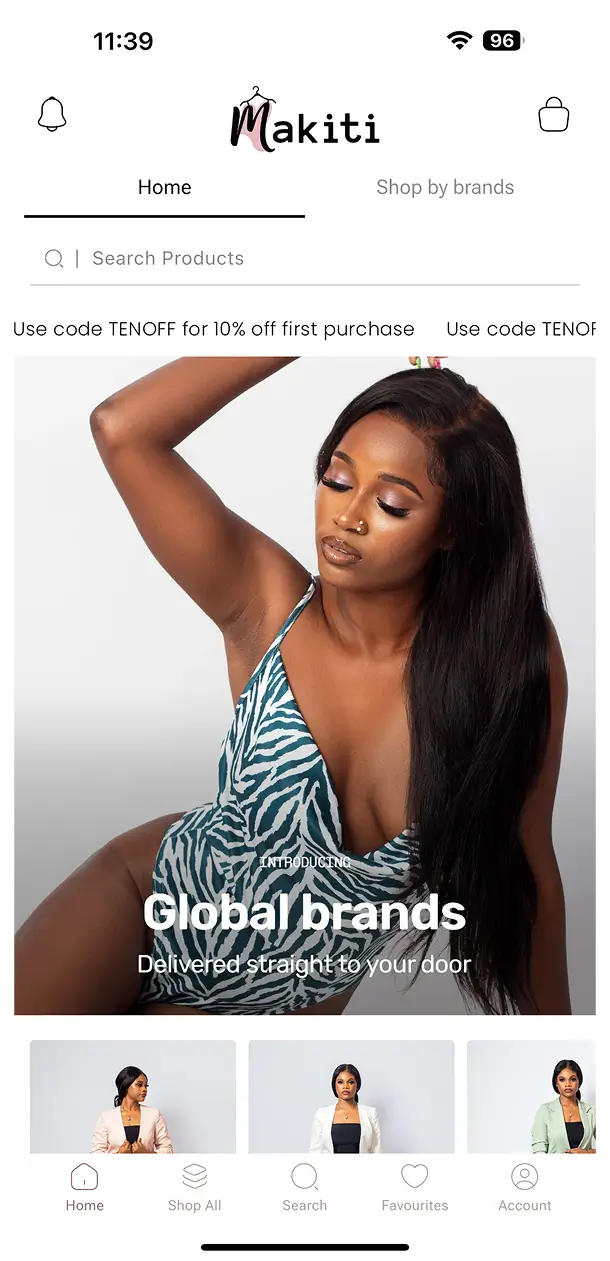
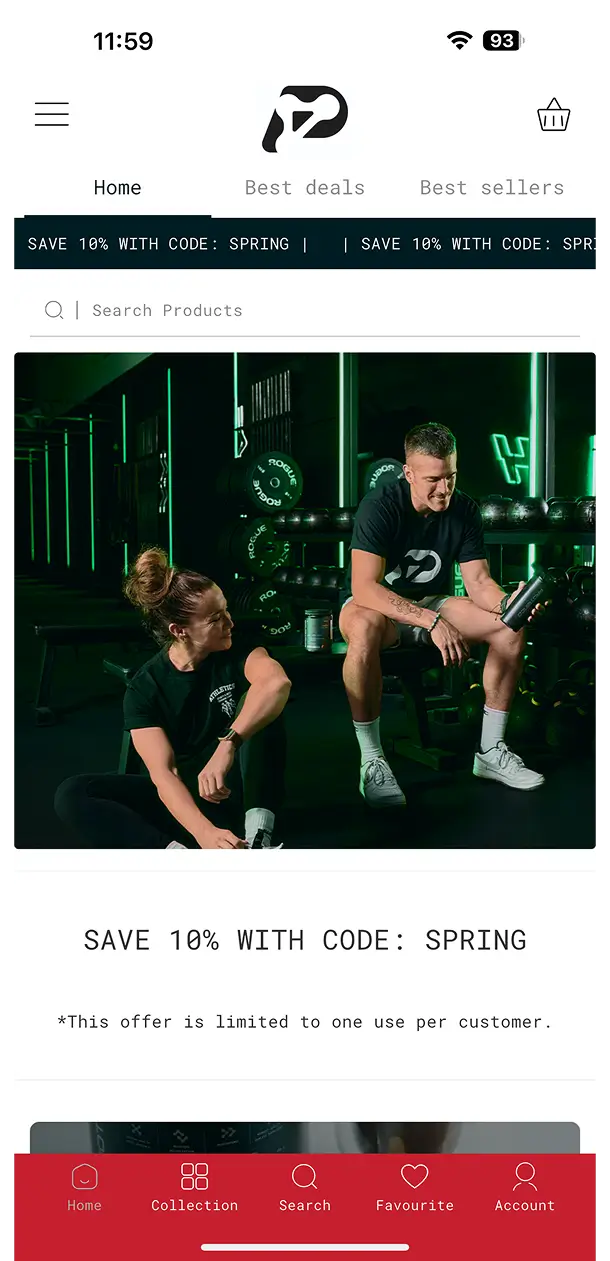
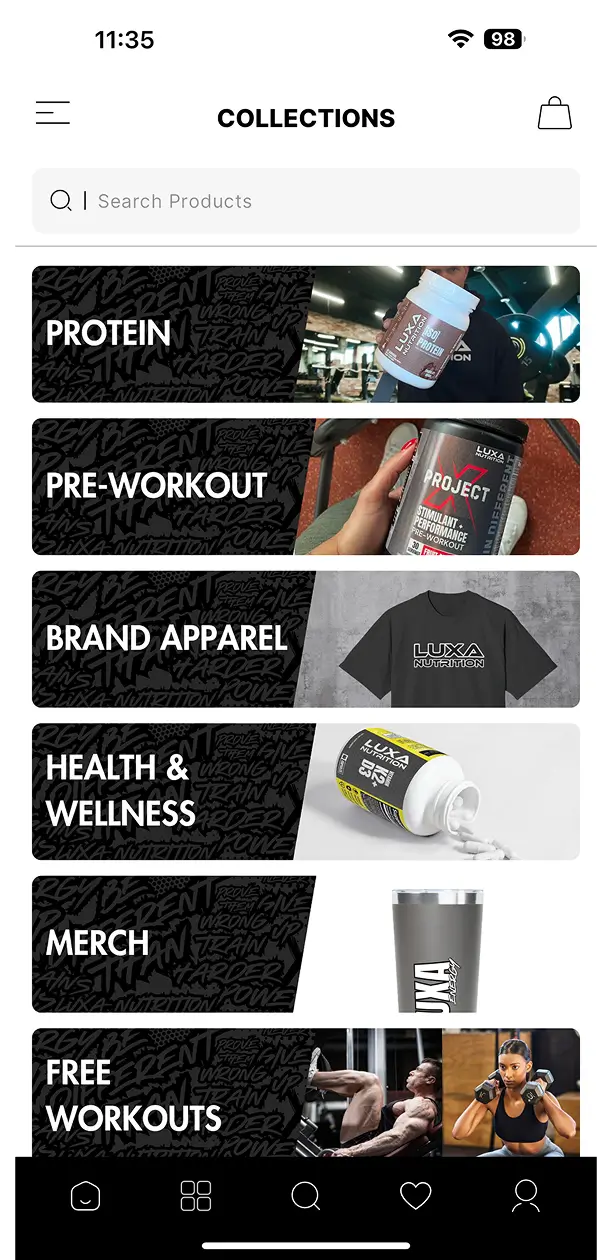
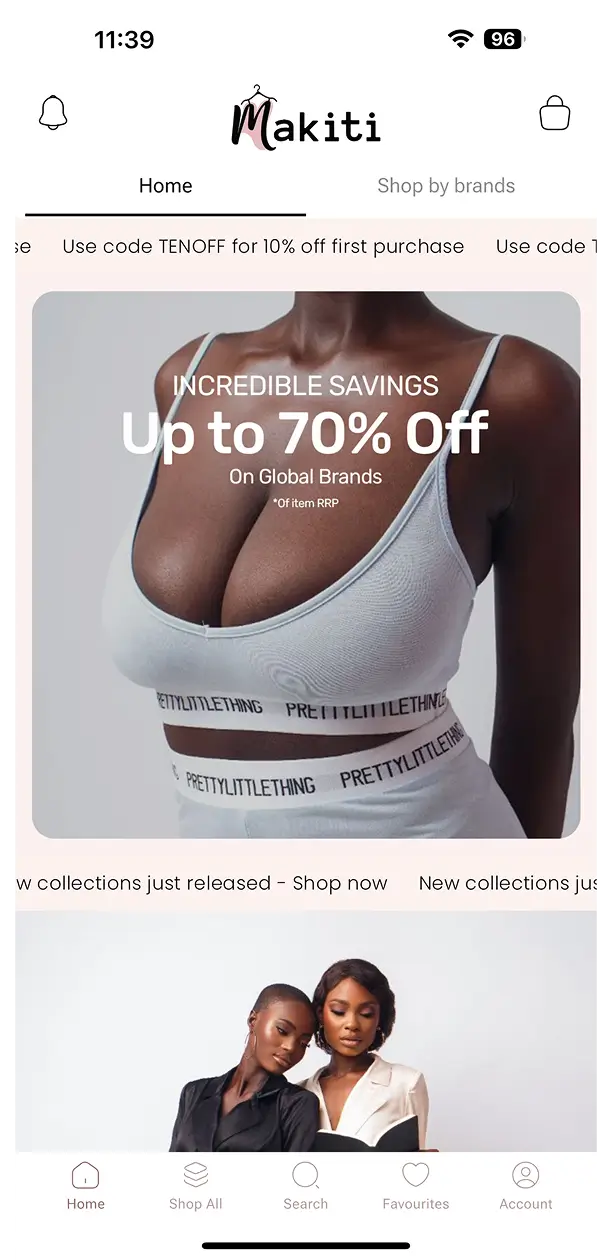
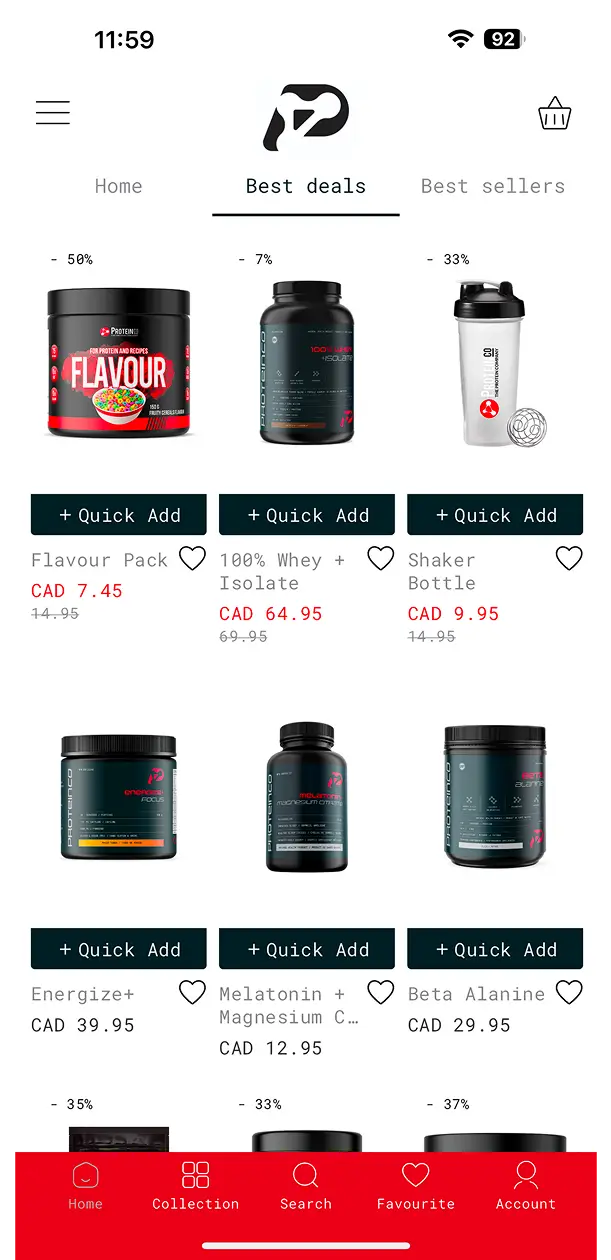
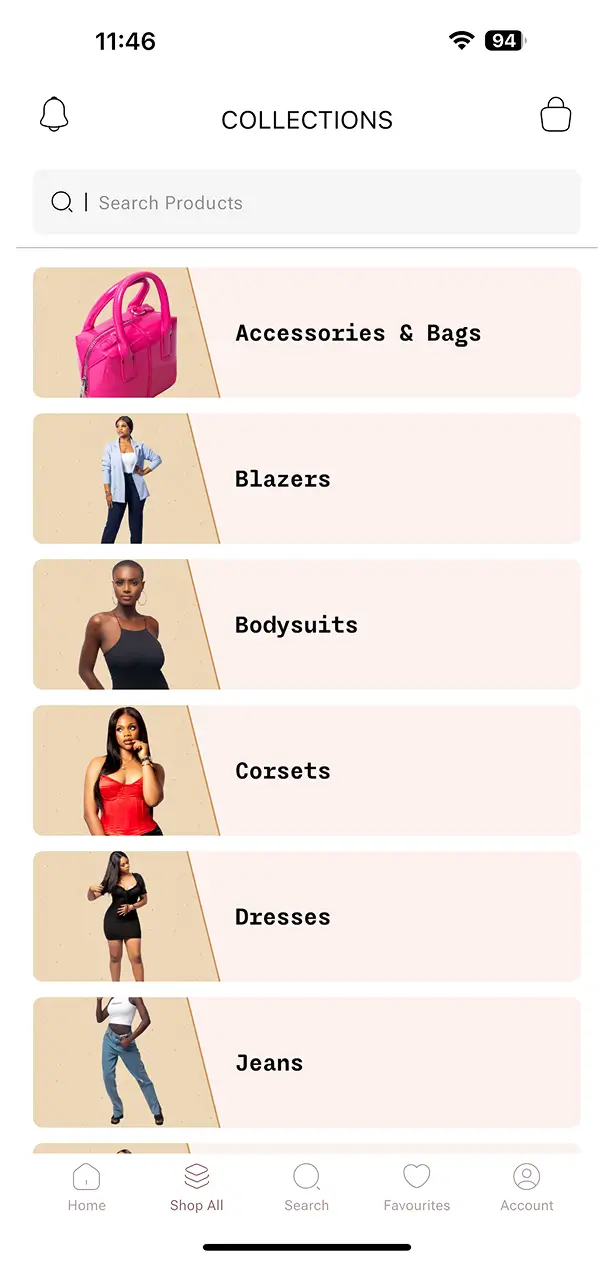
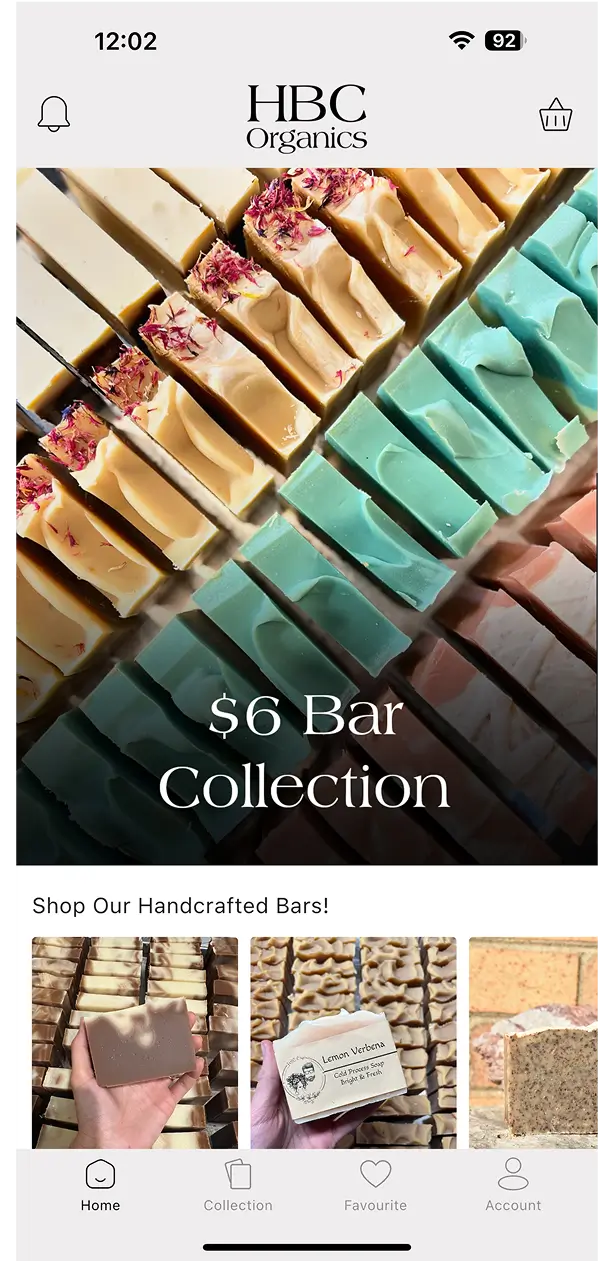
Here's what you get out of the box: unlimited push notifications, a built-in loyalty and rewards system, app-only discount capabilities, deep Shopify integration that automatically syncs your products, orders, and inventory, and a clean mobile shopping experience that converts.
The stores using Tapday are stores like yours, run by founders who want to grow without burning out or going broke on development costs.
If your goal is to stop losing customers after the first purchase and start building the kind of brand people come back to, a mobile app is one of the highest-leverage moves you can make. And Tapday is the fastest way to get there.
So, book your free consultation to find out how Tapday can make your app a growth and revenue engine. Or you can start building your own app right now with our one-month free trial.
Your customers are already on their phones. The question is whether they're spending that time with you or with your competitors.
Content strategist and technical storyteller specializing in the SaaS and e-commerce space. I’m passionate about translating complex technical concepts into clear, actionable guides and helping brands build high-impact digital marketing engines.
Create a feature-rich mobile experience, harness AI-powered marketing tools, and send unlimited push notifications without paying commissions.
Try Tapday for free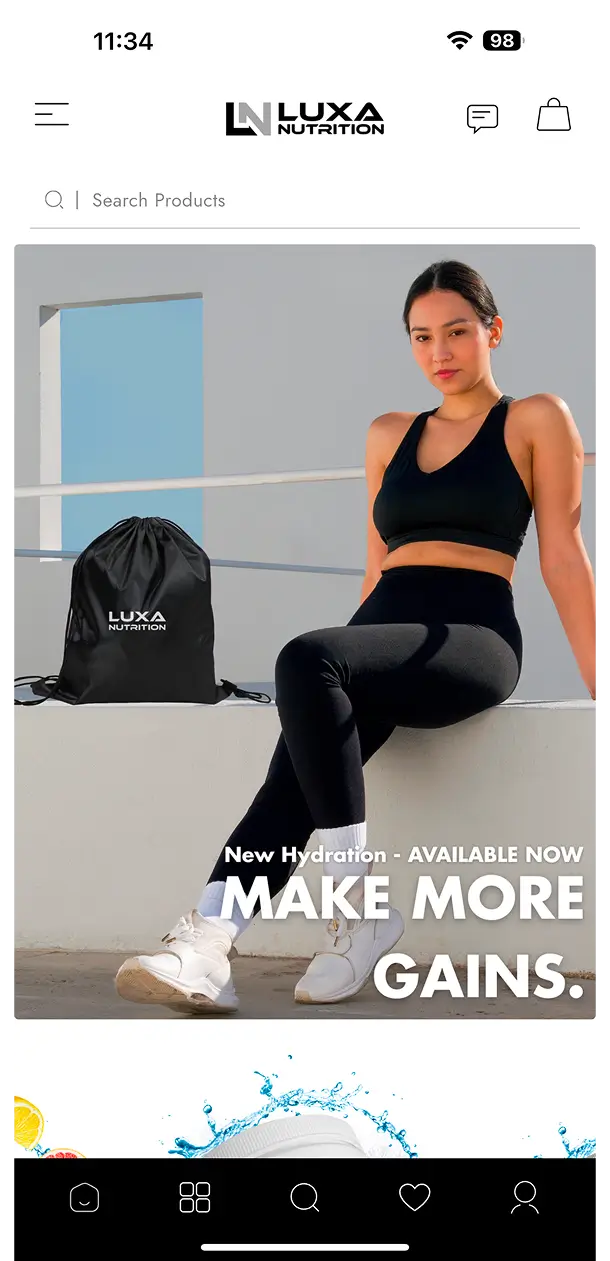
Create a feature-rich mobile experience, harness AI-powered marketing tools, and send unlimited push notifications without paying commissions.
Try Tpaday for free.svg)
© 2025 Tapday, Technologies, Inc. All rights reserved.
.png)



%20(1).webp)
%20(1).webp)
%20(1).webp)
.webp)
