
.webp)


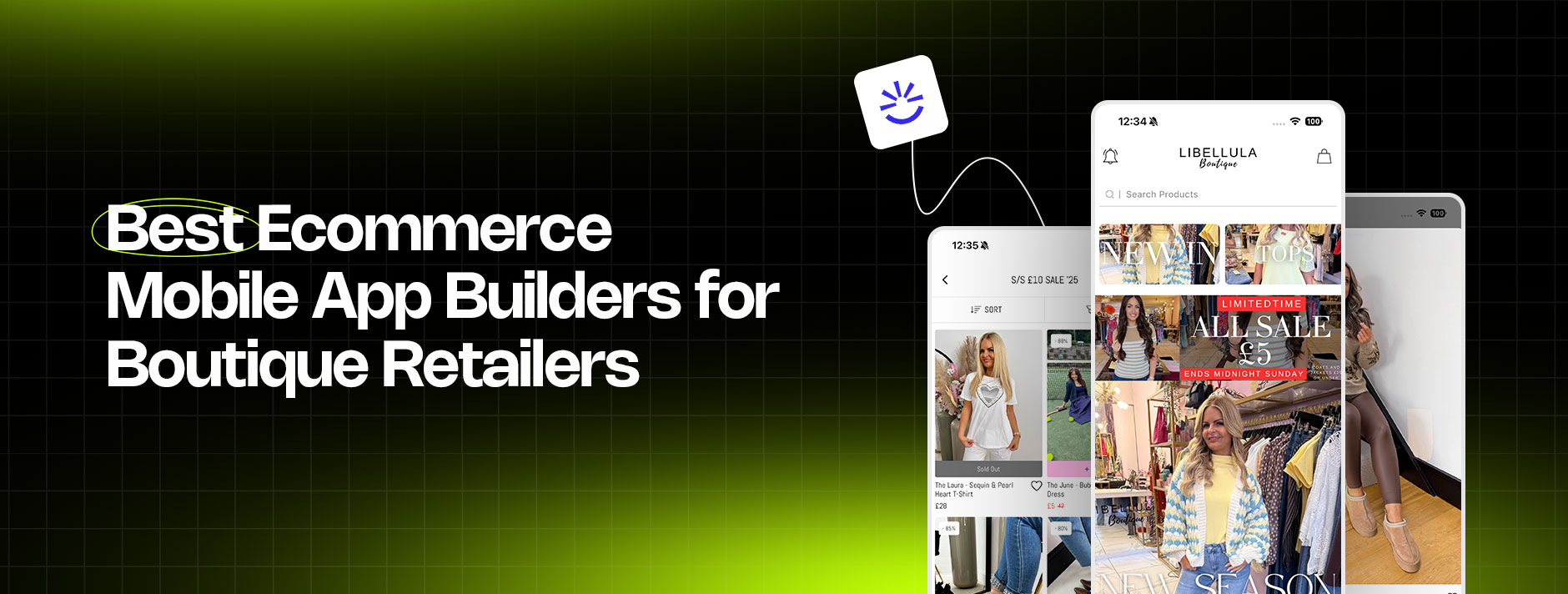
Tapday is best ecommerce mobile app builders for boutique retailers. Tapday makes it simple for Shopify stores to design and launch mobile apps without writing a single line of code. It gives easy customization, push notifications, wishlists, and seamless Shopify integration for better repeat sales.


%20(1).png)
Boutique retail is built on relationships. Your customers don't shop with you because you have the lowest price. They shop with you because they trust your curation, your aesthetic, and the experience you create. Every time they walk into your store or land on your website, that relationship either gets stronger or it doesn't.
Mobile apps are where that relationship lives at its best.
A customer who has your app on their phone is a fundamentally different customer than one who visited your website once and never came back. They opted in. They gave you a seat on their home screen. They're telling you they want to hear from you.
But here's the problem most boutique retailers run into: mobile app builders in 2025 were mostly designed for large-volume brands with development teams and enterprise budgets. The platforms that exist either cost too much, look too generic, or require so much technical work to set up that they defeat the purpose of calling themselves no-code.
This article is for boutique retailers who want to understand what actually matters in a mobile app builder and why the right platform makes the difference between an app that performs and one that sits quietly collecting dust.
Don't want to read the full article, just go through this image:
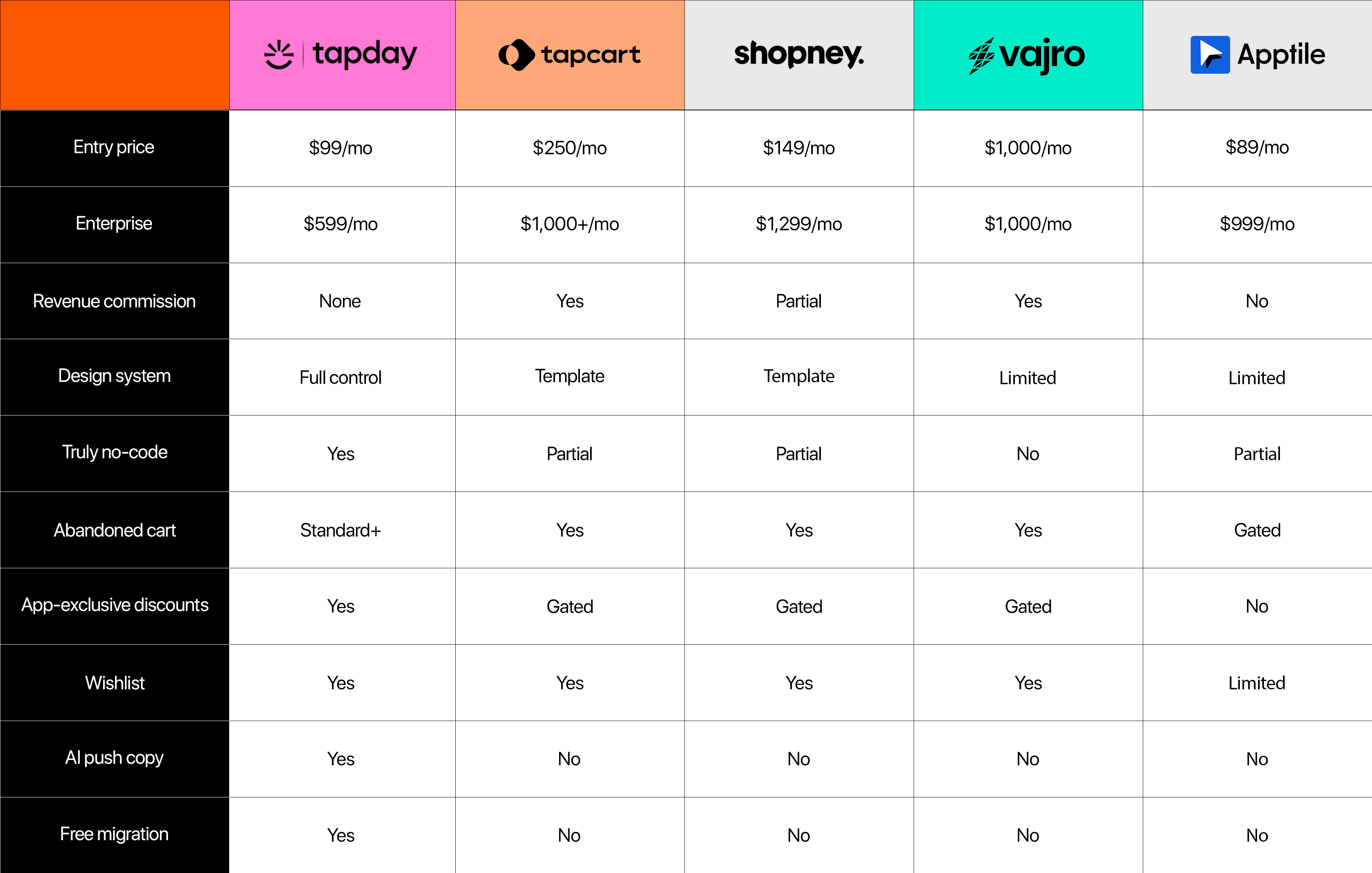
The phrase "no-code" gets used loosely in this industry. Almost every mobile app builder on the market calls itself no-code. Very few of them actually are.
What most platforms mean by no-code is: you don't need to write code to get started. But to actually get your app looking the way you want it to adjust layouts, configure product pages, set up push flows, customize navigation, you're reading documentation, submitting support tickets, and waiting days for changes that should take minutes.
That's a learning curve dressed up as simplicity. For boutique owners who are already running everything from buying to customer service to social media, a steep learning curve is just another word for "not going to happen."
A genuinely drag-and-drop builder means you open the editor, see your app in front of you, and move things around until it looks right. You click publish. It's live. No ticket. No developer. No waiting.
Tapday is built this way. The App Studio is fully visual. Every section of your app, the homepage, collection pages, product detail pages, cart, search appears as a configurable block. You drag it, drop it, adjust it, and see the result in real time. If you've ever used a Shopify theme editor, the logic is the same. If you can do that, you can build your app.
This matters especially for boutique retailers because your app is going to need to change. New season, new layout. Sale period, different banners. Product drop, different homepage. If making those changes requires support involvement every time, the app becomes a liability instead of an asset.
Just like Libelulla, boutiques compete on brand identity. An app-builder offering basic design templates will simply take this identity away from your boutique.
Template-based app builders undermine this. When every app on a platform is built from the same structural foundation, every app starts to feel the same. A customer who shops across multiple boutiques using the same app builder will have a near-identical experience in each one. That's the opposite of what a boutique is trying to create.
And this is exactly the Tapday difference.
Tapday – the best app builder for Shopify stores – understands that your visual language, the colors, the typography, the way products are photographed and presented is what makes a customer feel like they are in the your world, instead of just browsing a catalogue.
Tapday has no templates. Every element of your app is independently configurable. This includes things most app builders don't give you control over at all: the exact spacing between elements, how product images are cropped and displayed, the corner radius on cards, the weight and size of fonts, how the navigation behaves on scroll, and whether the header stays fixed or moves with the page.
The result is an app that looks like it was designed for your brand because it was. Not adapted from a generic structure, not customized within someone else's limits, but built to reflect the specific visual identity your boutique has created.
Custom font upload means your brand typography carries through to the app. Google Fonts integration gives you access to hundreds of options if you're still developing your type stack. Custom icons let you replace default navigation icons with ones that match your aesthetic. Every detail that makes your boutique recognizable on Instagram or in-store can translate into the app.
The most valuable thing a mobile app gives a boutique retailer is the ability to send push notifications. Not because push notifications are new email and SMS have existed for years but because of what they cost per send and where they land.
Email open rates for retail sit between 20–25%. SMS costs money every time you send a message. A push notification costs nothing per send, lands on the lock screen, and gets seen immediately.
For a boutique, this changes the economics of customer re-engagement completely. Every time you get a new arrival, you can tell your app users about it for free. Every time you have a flash sale, it goes to their lock screen instantly. Every time a product they saved comes back in stock, they find out before anyone else.
Tapday's push notification system is built around three types of sends.
Manual push is for campaigns you control: new arrivals, seasonal launches, sale announcements, event invitations. You write the message, choose your audience, and send. The AI-powered copy assistant inside the builder suggests message text based on the product or campaign you're promoting, which means you don't start from a blank page every time.
Automated push runs without you touching it. The abandoned cart flow sends automatically when a customer adds something to cart and doesn't check out. The welcome sequence sends when a new user downloads the app. The back-in-stock alert sends the moment a product restocks to every customer who wishlisted it. You set these up once and they run indefinitely.
Scheduled push lets you plan campaigns in advance. If you know a new collection is dropping in three weeks, you schedule the push now. Campaign planning and execution stay in sync without any last-minute scramble.
For boutiques running frequent product drops or seasonal transitions, scheduled push means your marketing calendar and your app calendar are the same calendar.
Boutique customers don't always buy on the first visit. They find something they love, they think about it, they come back. The wishlist is how you hold that moment.
When a customer saves a product to their wishlist in the Tapday app, several things happen. First, they've told you something valuable that the product has real intent attached to it. Second, you have a trigger for follow-up communication. If that product goes on sale, restocks after selling out, or is running low in their size, you can tell them specifically not with a generic blast, but with a targeted push that says "the thing you wanted is available."
That level of specificity is what turns a considered purchase into a completed one.
Wishlist also reduces the friction of returning. A customer who saved five products in your app has five reasons to open it again. Every time they check their wishlist, they're browsing your store. It's retention built into the shopping behavior itself.
The most effective way to drive app installs from your existing customer base is to give them a reason to download that doesn't exist anywhere else.
App-exclusive discounts are promotions that only work inside the Tapday app. You set the discount, attach it to a banner or widget inside the app, and it auto-applies at checkout for app users. A customer who hears "10% off, app only" has a concrete reason to download right now, not eventually, not when they remember now.
App-exclusive products take this further. You can list products inside the app that don't appear on your website at all. Early access to new arrivals before they go live publicly. Limited editions only available to app customers. Archive pieces, sample sale items, or one-off finds that your most loyal customers get first.
This is how boutiques have always operated at their best: the loyal customer gets access to the good stuff before anyone else. The app formalizes that relationship and makes it scalable. You're not texting your top ten customers individually. You're publishing to your entire app audience and letting the behavior self-select.
A concern boutique retailers often raise is whether a mobile app adds to the complexity of running the store. The honest answer is: it connects to it, it doesn't add to it.
Tapday integrates with 72+ tools. Klaviyo for email marketing your Klaviyo segments and flows work alongside app push without any duplication. Judge.me, Yotpo, and Okendo for reviews, customer reviews collected anywhere show up in the app automatically. Growave for loyalty points earned in-store or online count inside the app. Zendesk and Gorgias for customer support in-app chat connects directly to your existing support workflow.
Read also: 5 Best Shopify Mobile App Builders in 2026
Your Shopify store remains the single source of truth for everything. Products, inventory, pricing, collections, customer data all of it syncs to the app in real time. You don't manage two catalogues. You don't update prices in two places. You run your store in Shopify and the app reflects it instantly.
You connect your Shopify store to Tapday. Your products, collections, and inventory are already there. You open the App Studio and start designing. The homepage, the navigation, the product pages, the cart everything is in front of you as a visual editor.
When you're done, you preview the app on iOS and Android to make sure it looks right. Then you publish. Tapday submits to the App Store and Google Play on your behalf. The process from first login to live app takes one day for most boutiques.
If you're moving from another app builder, Tapday's team handles the migration at no extra cost. Your existing app users don't reinstall, the update happens in the background. Most migrations are complete within 3–4 days.
After launch, you manage everything yourself. Change a banner, update a collection, send a push all of it from the same dashboard, without support involvement, without writing a line of code.
If you want to see what your boutique looks like inside a mobile app before committing to anything, Tapday offers a one-month free trial, no credit card required and no strings attached.
Your Shopify products sync the moment you connect. The visual builder is open from day one. AI-powered push notifications, wishlist, app-exclusive discounts, abandoned cart flowsall of it is available to configure during the trial.
Your customers are already on mobile. The only question is whether they have a reason to stay.
The numbers for Libelulla completely make sense. Average order has tripled, they spend $0 to tell their loyal customers about new collections, and products as unlimited, AI-powered push notifications do the job. Their customers save wishlist products and get immediate reminders whenever these are restocked.
Results? Recurring revenue - GBP 124,591 to be precise in just 4months.
How much did they saved? Consider this: they would have spent anywhere between 25% to 35% on meta or Google ads, GBP 30K to GBP 40K in ads to bring these customers to their website. With Tapday, they spent just $2394. That’s it!
And if there’s still any ambiguity left, book a free demo with our founders where they will answer all questions.
Content strategist and technical storyteller specializing in the SaaS and e-commerce space. I’m passionate about translating complex technical concepts into clear, actionable guides and helping brands build high-impact digital marketing engines.
Create a feature-rich mobile experience, harness AI-powered marketing tools, and send unlimited push notifications without paying commissions.
Try Tapday for free
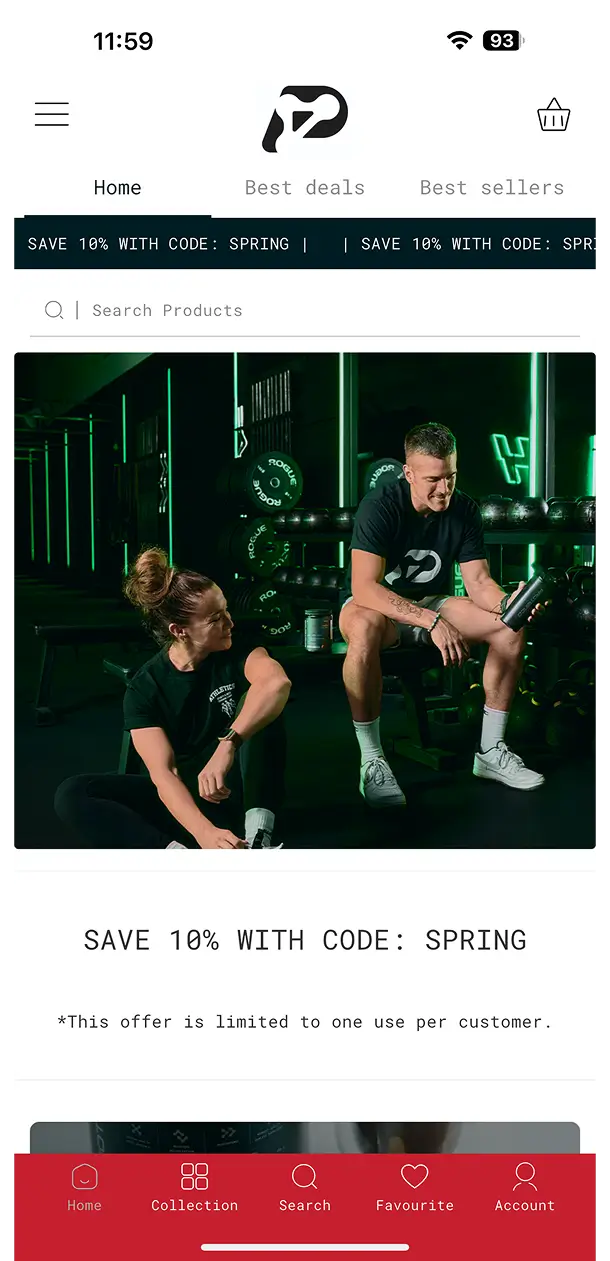
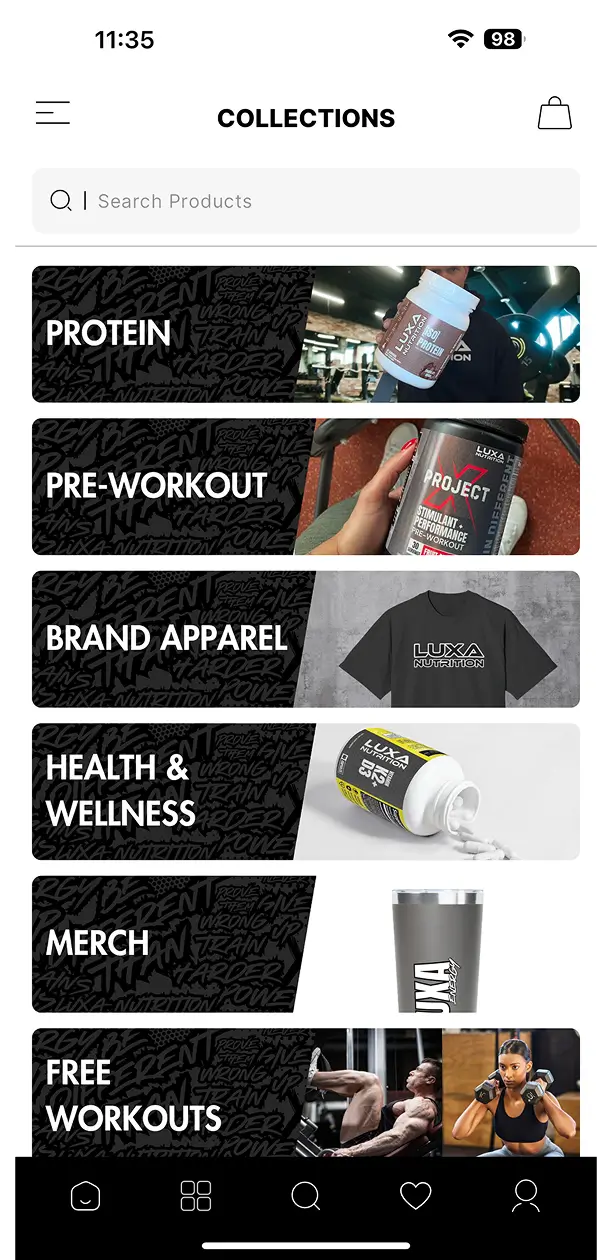
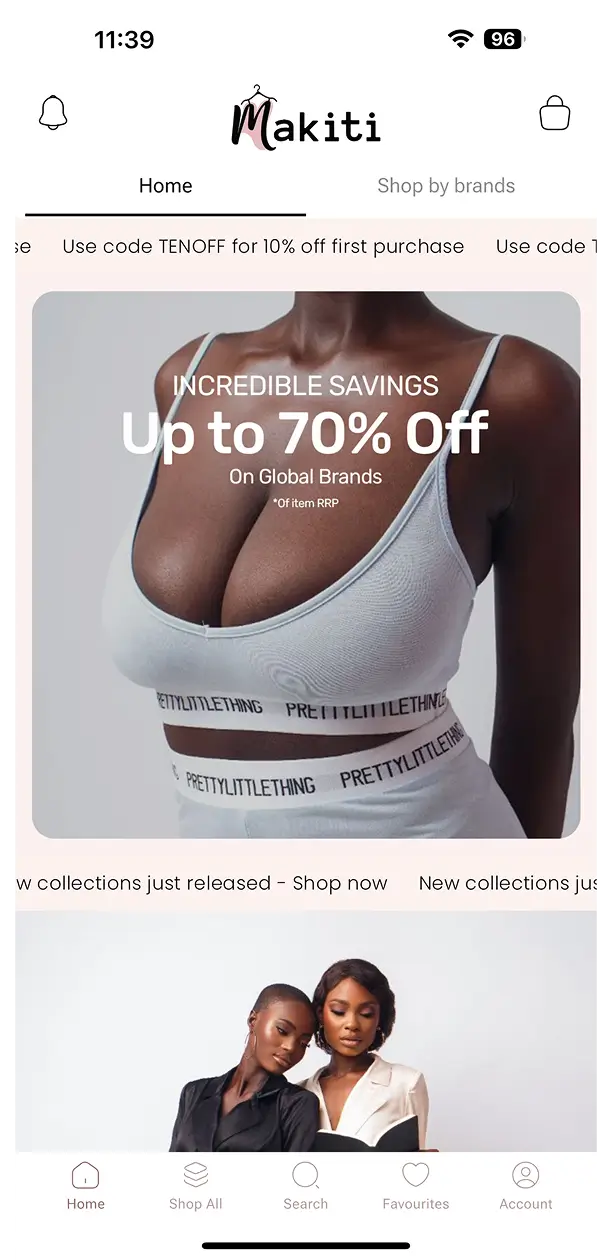
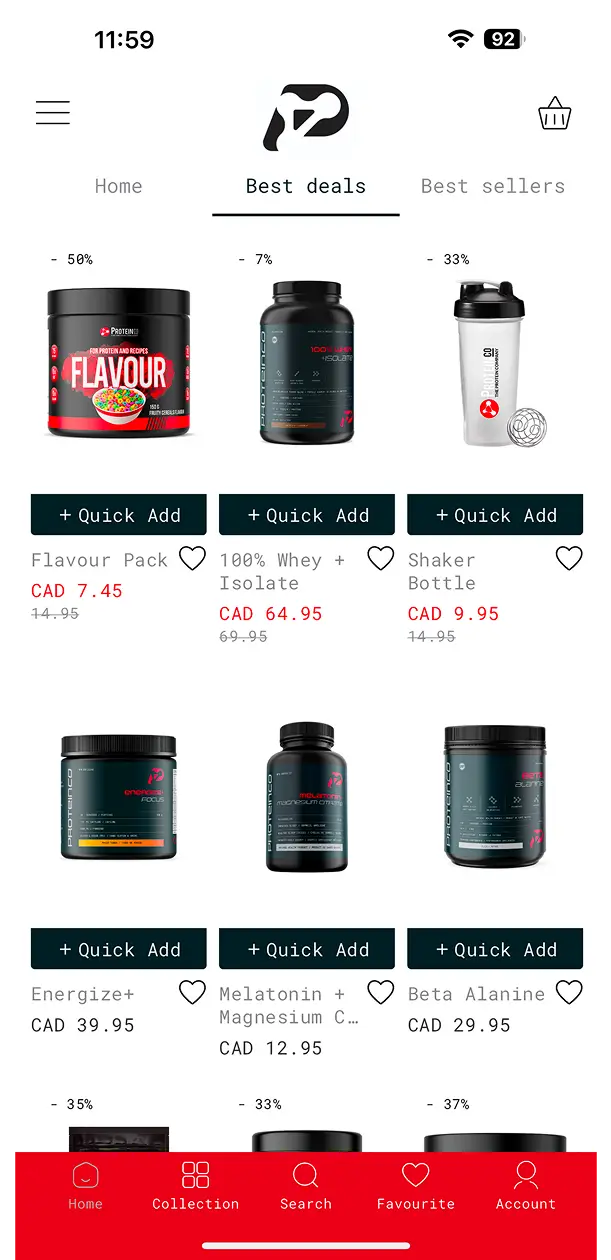
Create a feature-rich mobile experience, harness AI-powered marketing tools, and send unlimited push notifications without paying commissions.
Try Tpaday for free.svg)
© 2025 Tapday, Technologies, Inc. All rights reserved.
.png)



%20(1).webp)
%20(1).webp)
%20(1).webp)
.webp)
