
.webp)


Customer lifetime value is the total profit a customer generates across the full length of their relationship with your brand, not one order, not one year, the whole thing. It's the clearest single signal of business health you have. A rising CLV means customers trust you enough to come back. A flat or falling one means something in the experience is leaking, and no amount of top-of-funnel ad spend fixes a leak.


%20(1).png)
Every CLV tactic moves one of three variables:
Move one and CLV rises. Move all three and you've built a business that doesn't need next month's ad budget to survive.
Yes. Some finance teams use LTV for broader modeling and reserve CLV specifically for customers, but the calculation is identical. Treat them as interchangeable.
CLV = Average Order Value × Purchase Frequency × Customer Lifespan
A customer spending $60 per order, buying three times a year, staying four years, is worth $720 in revenue. It's a useful baseline — just remember it's revenue, not profit, since it ignores margin.
For a profit-accurate number:
CLV = Gross Margin × (Retention Rate ÷ (1 + Discount Rate − Retention Rate))
Where:
Example: Gross margin $400, retention 80%, discount rate 10% CLV = $400 × (0.80 ÷ (1.10 − 0.80)) = $400 × 2.67 ≈ $1,067
This version is the one to use for acquisition and budget decisions.
The formulas above look backward. Predictive CLV uses order timing, product mix, and early engagement signals to forecast what a customer will be worth — and, more usefully, to flag churn risk before it happens rather than after. Most stores never get here because the underlying data is scattered across five disconnected tools: email platform, SMS tool, storefront analytics, support inbox, app. Consolidating that view onto a single owned channel is what makes predictive CLV workable instead of theoretical.
Retention is the most capital-efficient lever in your business. A 5% increase in retention lifts profit by 25–95% (Bain & Company), and acquiring a new customer costs 5–7x more than keeping one you already have.
Run the math: at a $70 CAC and 50% margin on an $85 first order, you net $42.50 against $70 spent to acquire, a $27.50 loss on every buyer who never returns. The entire profit sits in the second order and beyond, which is exactly the part most stores under-invest in.
CLV:CAC Ratio
What it tells you
Below 1:1
Customers cost more to acquire than they generate.
1:1–2:1
Margins are thin, little room to scale profitably.
~3:1
Generally considered a healthy balance of growth and efficiency.
5:1+
Strong customer economics, indicating room to invest more aggressively in acquisition.
Don't chase this ratio by cutting CAC alone. Raising CLV is the more durable path. It gives you room to absorb rising ad costs without sacrificing profitability.
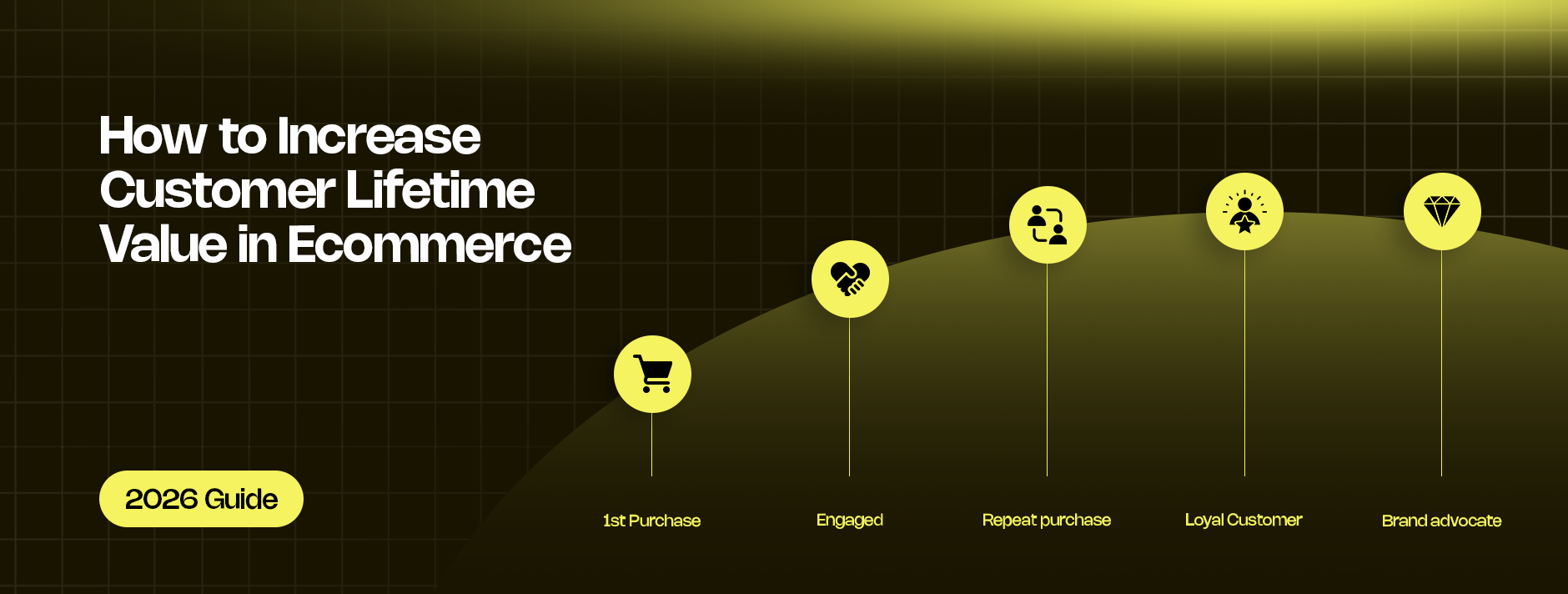
CLV improves in stages: earn the second purchase, grow basket size, then give customers reasons to keep returning.
Most Shopify stores lose 70–75% of customers after the first order; healthy repeat rates run 25–40% depending on category. Nothing else on this list matters until you close this gap. The fix is a timed post-purchase sequence that helps the customer get value from what they just bought, then reintroduces the next logical product before the initial excitement fades.
Small per-order gains compound fast across a year. Bundle complementary products at a modest discount, offer a premium version at the decision point, and put a related item at checkout. A free-shipping threshold set just above your current AOV is one of the most reliable nudges available.
Loyalty gives customers a formal reason to come back to you instead of a competitor. Reward the behaviors that deepen the relationship, second orders, reviews, referrals — not just one-time high spend. Frequency is the lever loyalty is uniquely good at moving.
Generic campaigns underperform personalized ones by a wide margin. Use purchase history to tailor what each customer sees, category-specific messages, recommendations based on their last order, a re-engagement nudge the moment behavior signals drift. Personalization is how a large customer base still feels like individual relationships.
The channels aren't equal anymore. Email deliverability and open rates keep sliding. SMS works but costs per send, and that adds up fast at scale. Push is free, opt-in, and lands on the lock screen, the only owned channel where reach doesn't shrink as your list grows. The strongest lifecycle programs run all three from one customer view, segmented by value, not blasted uniformly.
If your product gets consumed and repurchased on a predictable cadence, subscriptions turn one-time buyers into forecastable revenue. Keep cancellation friction low and the cadence honest, force a subscription onto something people buy once and you'll generate churn and chargebacks instead of lifetime value.
Customers trust other customers more than they trust your ads. Collect high-intent reviews with photos and video, surface them where they influence the decision, and reward customers with loyalty points for leaving them so the two systems reinforce each other.
One in three consumers leaves a brand after a single bad service experience. Fast, personalized, proactive support — agents who can see order history, help that arrives before the customer has to ask, turns a potential churn moment into a reason to stay. Every interaction either extends the relationship or ends it.
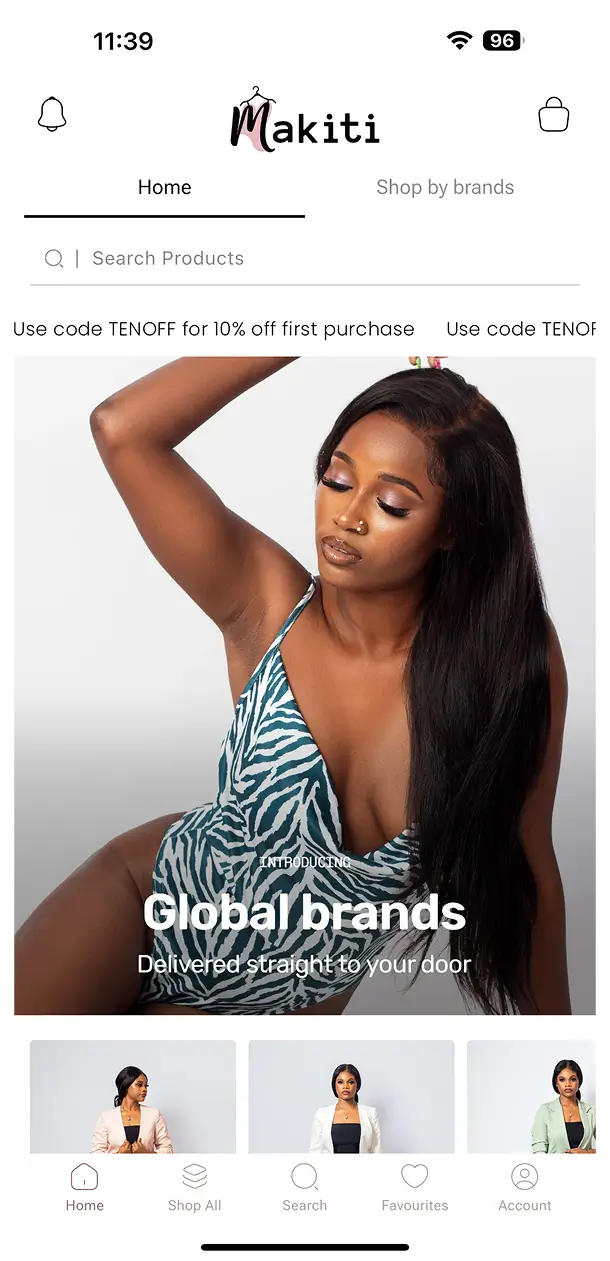
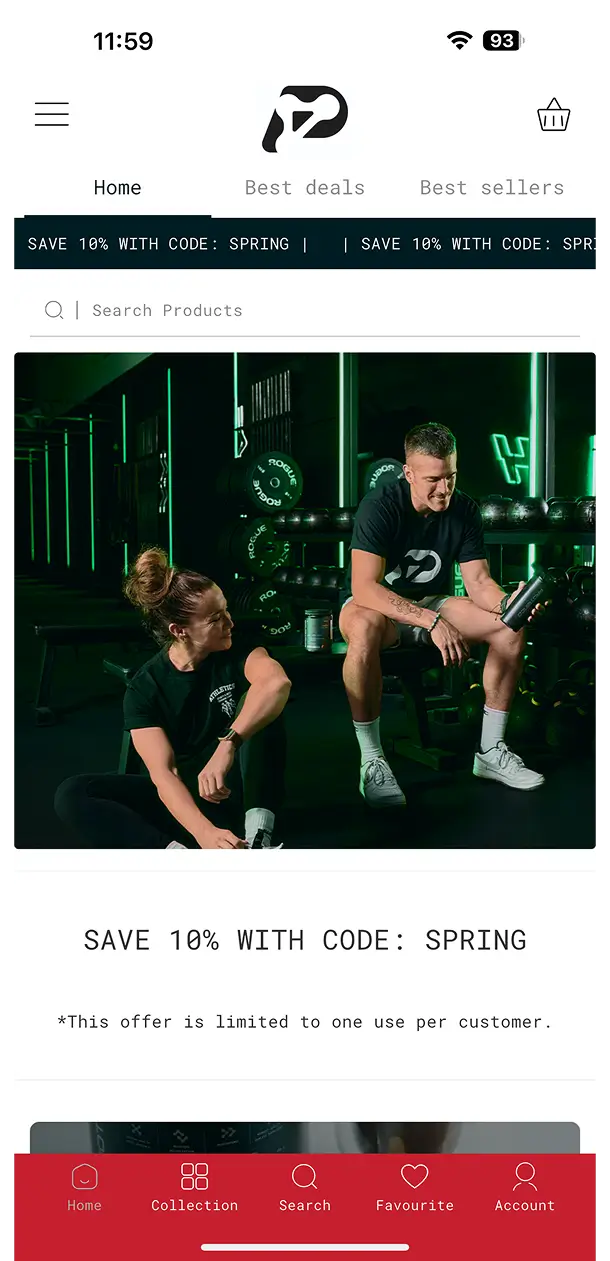
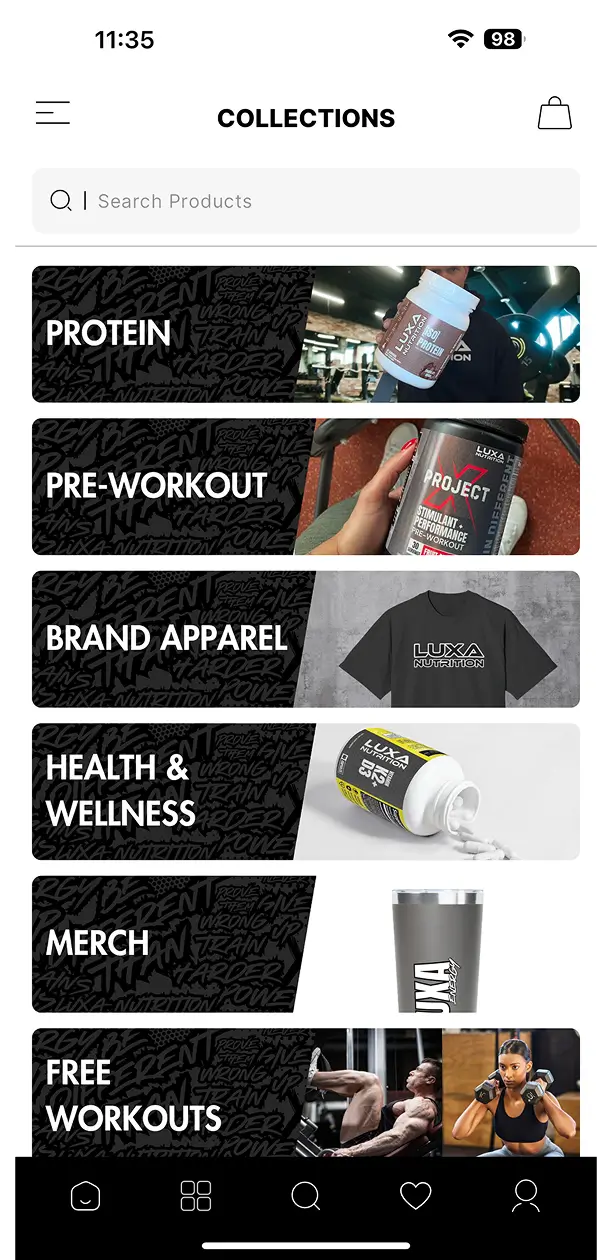
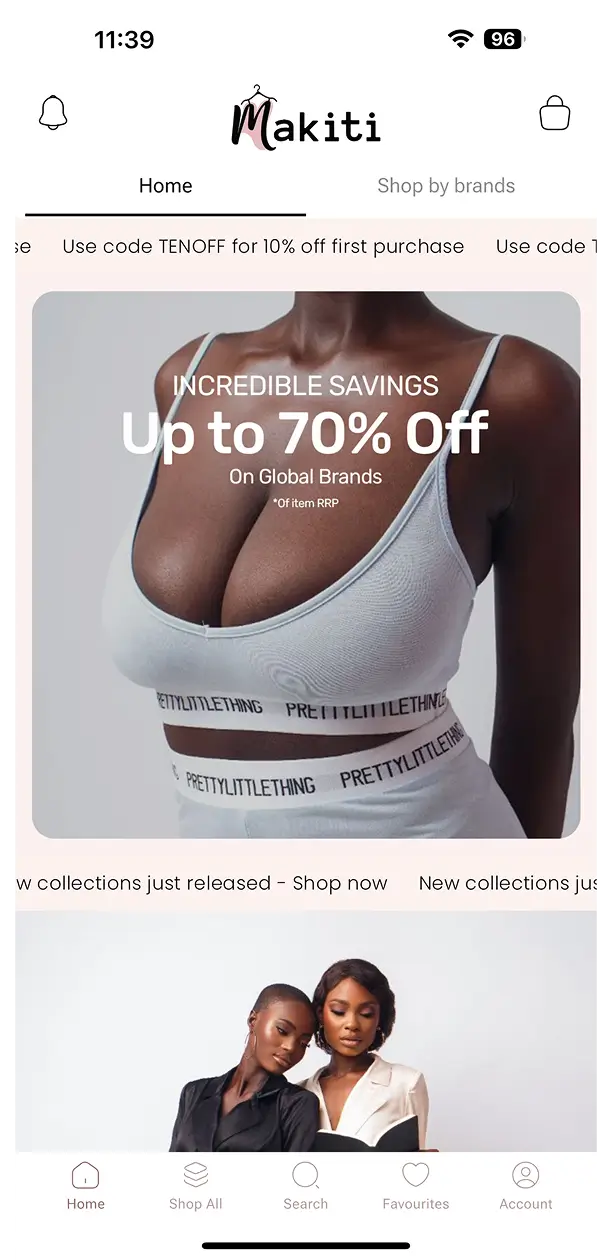
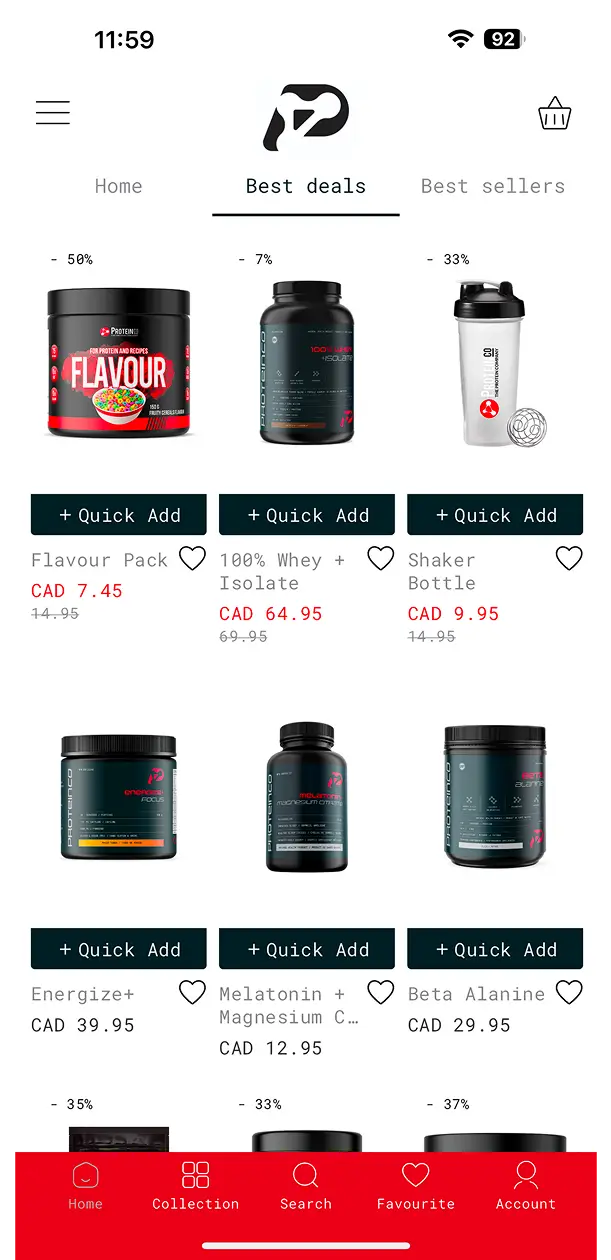
Loyalty programs and lifecycle emails compete for attention inside channels you don't own, an inbox governed by deliverability algorithms, a feed governed by an ad platform. A branded mobile app is the one channel that's actually yours: no algorithm decides who sees you, no per-message cost to reach them, and a home-screen icon that acts as permanent shelf space.
That's why the app moves specifically the two hardest levers in the CLV formula — purchase frequency and customer lifespan — rather than just AOV, which is where most loyalty and discount tactics top out.
With the majority of Shopify traffic already on mobile, the app is where your highest-intent customers already are. Push is the only free, owned way to reach them there. No algorithm, no per-send cost, no inbox to fight.
Once the fundamentals are running, CLV becomes a targeting tool, not just a metric you report. The 80/20 rule tends to hold: roughly 80% of revenue comes from 20% of customers. Find that 20% and you know where to focus retention effort.
Rank customers by CLV. The top decile usually reveals a clear profile: a first product, an acquisition channel, a category. Feed that profile back into acquisition so you attract more customers who stay, not more discount-seekers who buy once and vanish.
Score customers on three axes:
This sorts your base into actionable groups — Champions, Loyal, At-Risk — so a first-time buyer and a VIP stop getting the same message.
There's no universal number. A furniture brand and a phone-case brand live on different economics. Most stores land between $100–$300 in average CLV. The more useful benchmark is the CLV:CAC ratio at 3:1 or higher, and the direction of travel. Rising cohort value quarter over quarter is the real signal.
CLV doesn't improve because you optimized one campaign. It grows when purchase frequency, AOV, and customer lifespan all move together across the full customer journey. The brands still growing despite rising acquisition costs aren't necessarily acquiring more people, they're extracting more value from the customers they've already paid to acquire, by making repeat purchases easier, more frequent, and more rewarding.
Content strategist and technical storyteller specializing in the SaaS and e-commerce space. I’m passionate about translating complex technical concepts into clear, actionable guides and helping brands build high-impact digital marketing engines.
Create a feature-rich mobile experience, harness AI-powered marketing tools, and send unlimited push notifications without paying commissions.
Try Tapday for free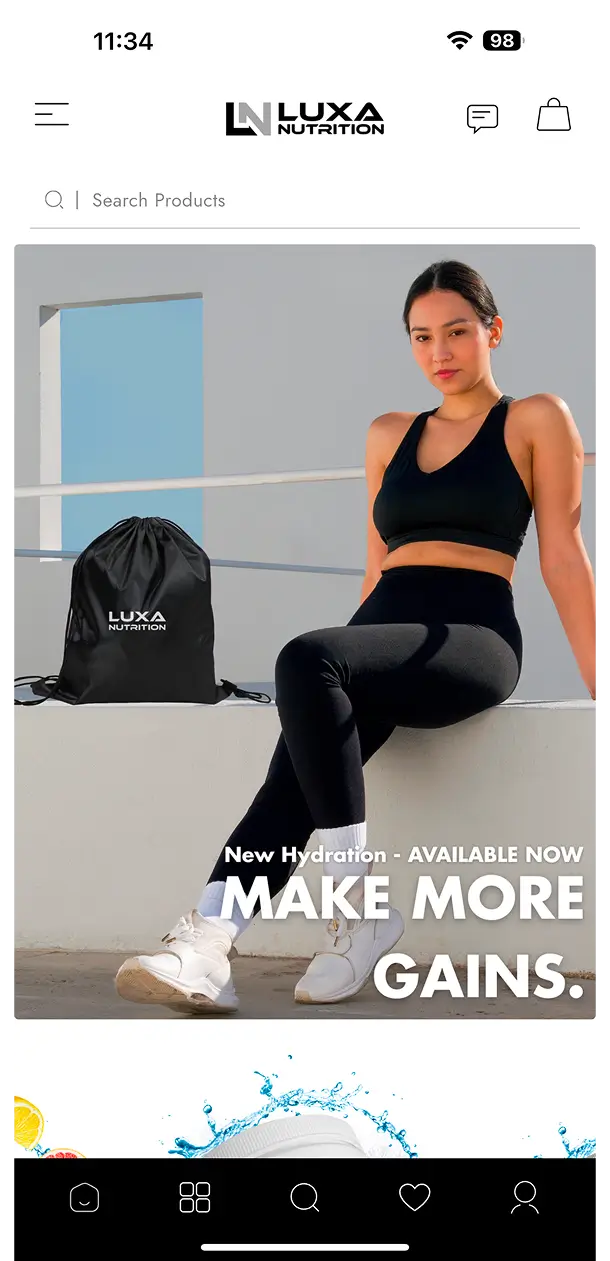
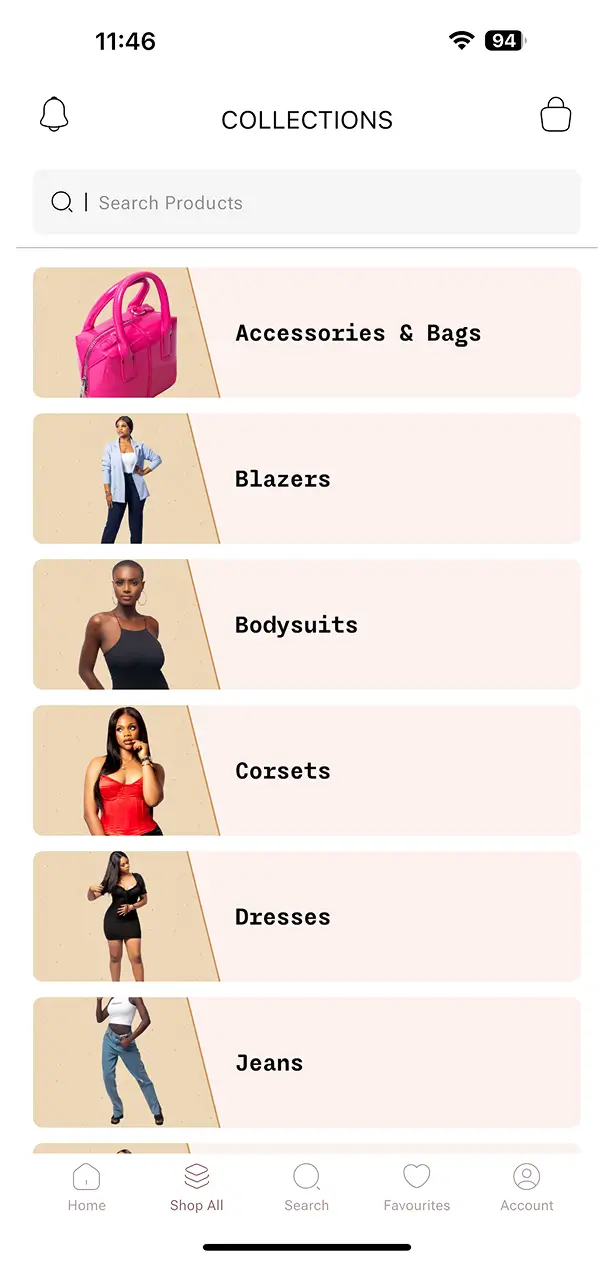
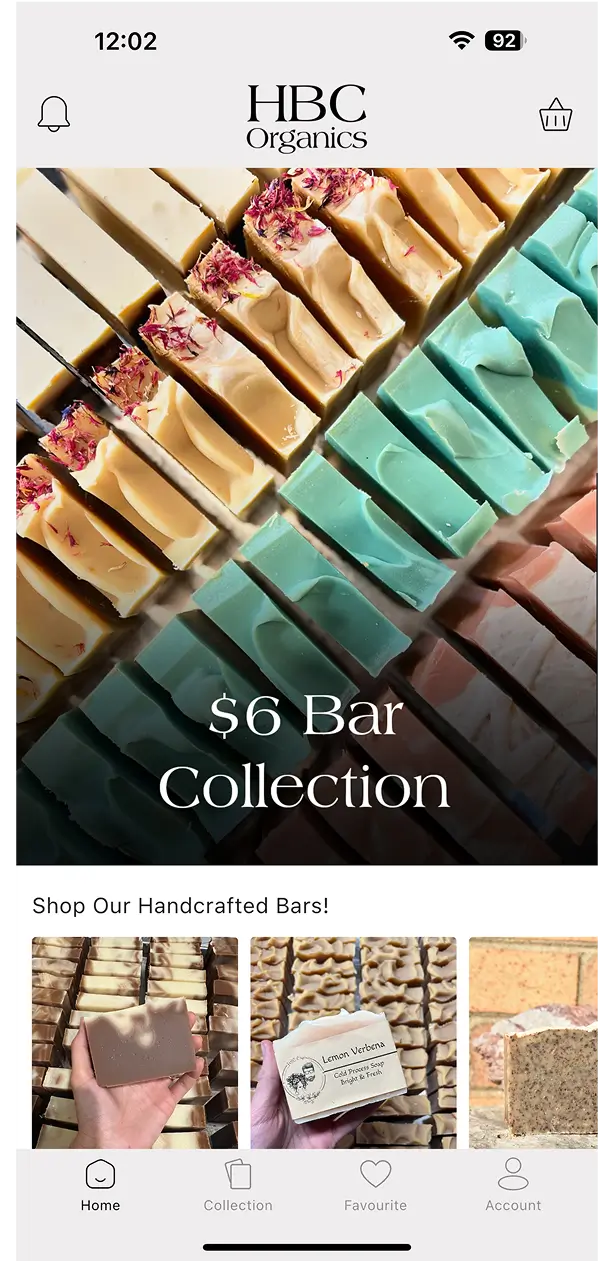
Create a feature-rich mobile experience, harness AI-powered marketing tools, and send unlimited push notifications without paying commissions.
Try Tpaday for free.svg)
© 2025 Tapday, Technologies, Inc. All rights reserved.
.png)



%20(1).webp)
%20(1).webp)
%20(1).webp)
.webp)
