
.webp)


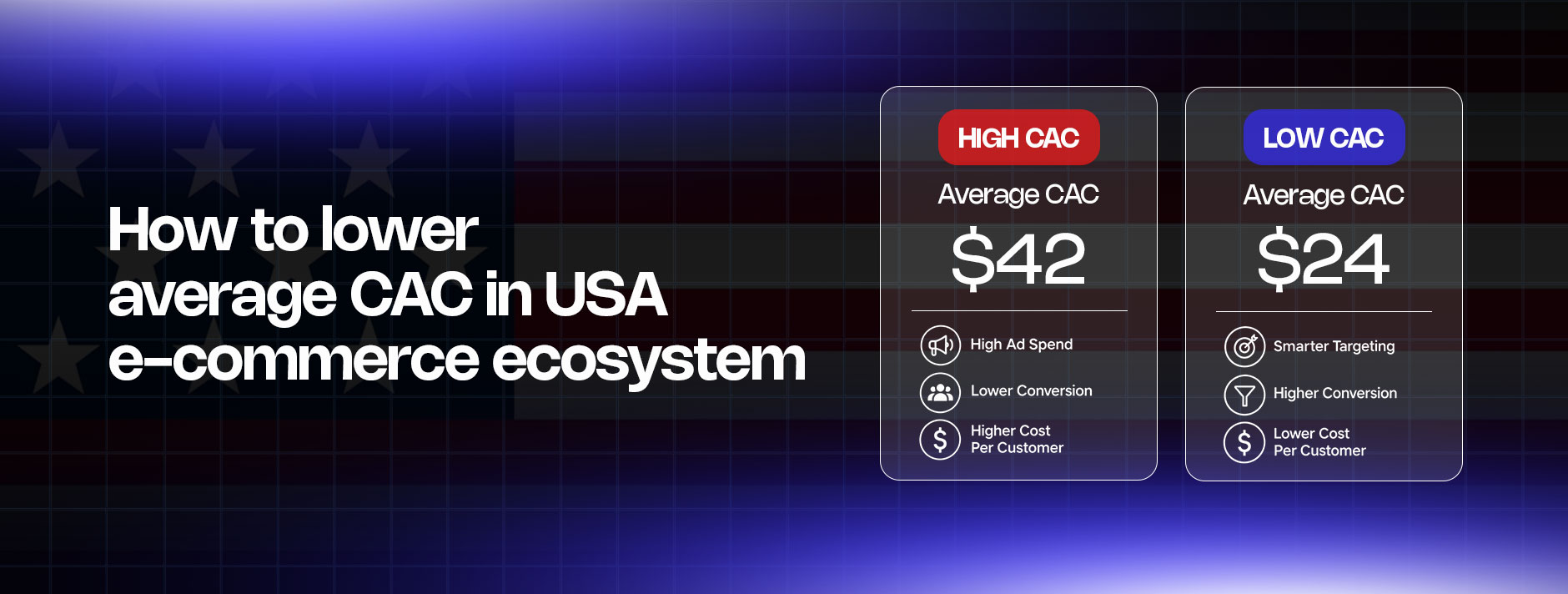
Shopify store owners, brand managers, and marketers are getting really concerned as average CAC (customer acquisition cost) continues to rise steadily. The average cost of turning a stranger into a paying customer has climbed across nearly every ecommerce category since 2023, and nothing about 2026's ad landscape suggests that trend is done.


%20(1).png)
In this article, we are going to breakdown what is actually pushing average CAC higher and we’ll do so by using independent research.
This guide is not another list of benchmark numbers to feel bad about. It walks through what is actually pushing average CAC higher, using independent research rather than vendor claims, then makes the case for the one move most Shopify brands still have not made: turning the customers who already trust them into a channel that does not run through Meta or Google at all.
Average CAC (customer acquisition cost) is the total sales and marketing spend required to acquire a new customer, averaged across every channel a store uses. The formula is simple:
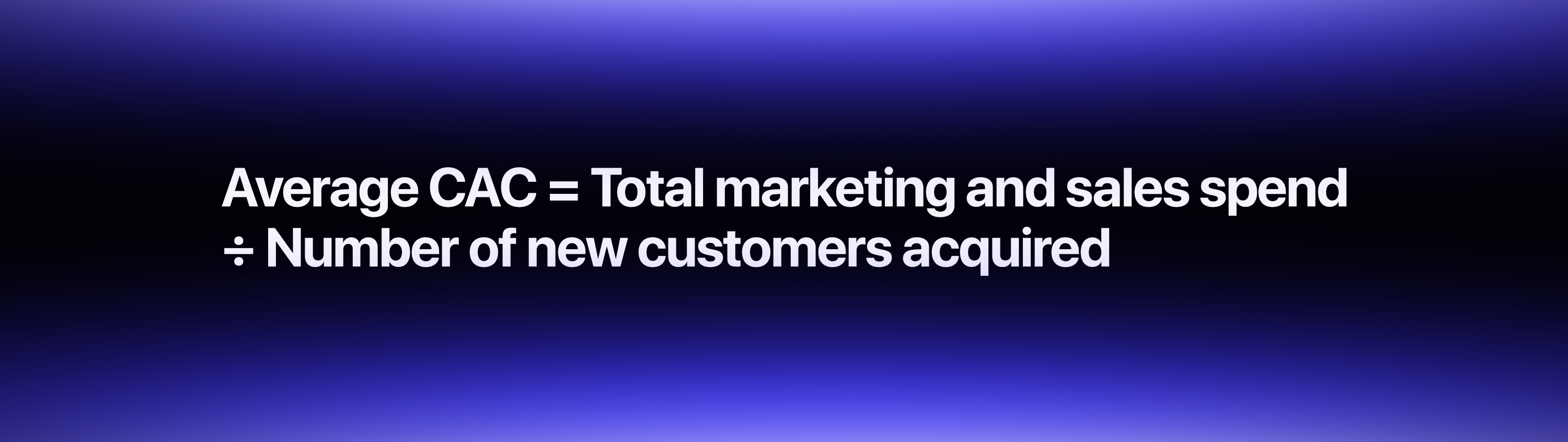
The number gets more useful once you split it two ways. Blended CAC covers every channel at once (paid ads, email, organic, affiliate) and gives you the honest, whole-business figure. Channel CAC isolates one source, like Meta or Google, so you can see which channels are actually earning their budget. A store can have a healthy blended average CAC while quietly bleeding money on one overpriced channel, so both numbers matter, not just one.
CAC alone does not tell you if a number is good or bad. It only means something next to customer lifetime value (LTV). A $70 average CAC is excellent for a brand with a $400 LTV and a nightmare for one with a $90 LTV. Most acquisition specialists treat an LTV to CAC ratio of at least 3:1 as the baseline for a sustainable Shopify business.
So, there’s no single figure industry-wise that you can apply to every store. Because several factors influence average CAC such as category, repeat purchase behavior, and amount spent to earn a sale.
However, we pulled together benchmark research from HubSpot, Klaviyo, and First Page Sage. We found out that the typical average CAC for D2C (direct-to-consumer) Shopify brands hovers between $45 to $90, with some categories running well outside that band in both directions.
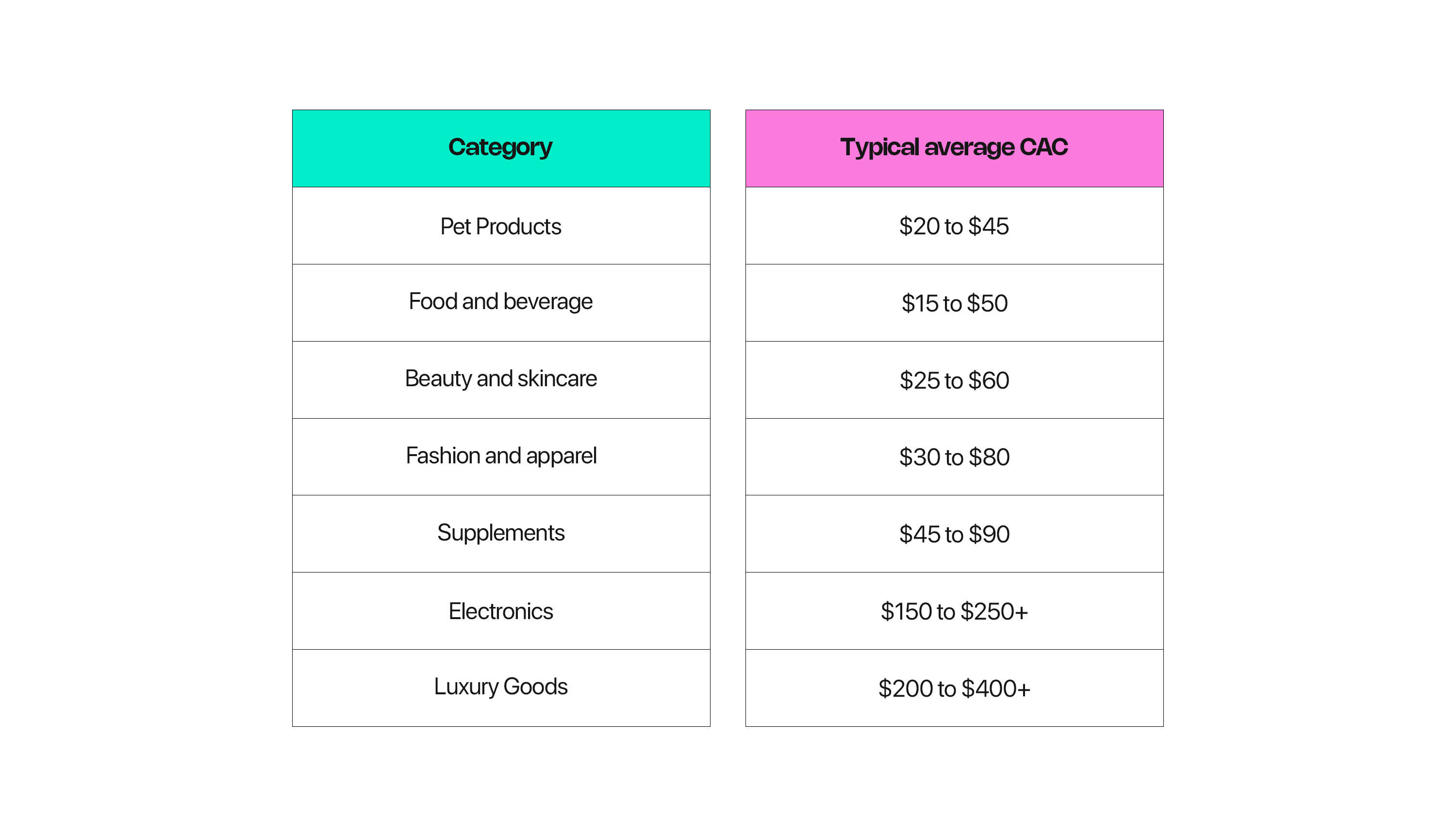
Interestingly, we noticed two patterns.
Furthermore, Shopify’s global commerce report and other studies revealed that average CAC has risen between 40% to 60% in the last five years.
Whatever your category, your average CAC today is very likely higher than it was in 2023, and the causes behind that are structural, not seasonal.
This question has been bothering you lately, and we understand why. It has to stop somewhere, right? Because this steep rise is not sustainable. So, let’s find the answer first to this question.
Three forces are doing most of the damage, and none of them are going away on their own.
Ever since Apple’s App Tracking Transparency rules landed with iOS 14.5, marketers have lost visibility into large scale of conversions their ads actually drive.
When you have less data at your disposal, it translates into broader and less-efficient targeting. It means platforms like Meta has to share your ads to more people to find the same number of buyers. And because of the very same reason, independent analysis of post-ATT ad performance estimates that real ROAS on Meta today runs 20% to 30% higher than the dashboard reports, because the platform simply cannot see and credit every conversion it causes. The gap between what you are paying and what the platform can prove it earned you keeps widening.
And it’s not the Meta only where advertising costs are rising, Google is no different either.
The click per cost (CPC) on Google has risen roughly 8% to %13% year on year basis. Categories like health, wellness, and home goods have witnessed the steepest increase. With so many Shopify brands entering into the market every year, the auctions are getting more expensive as there are so many brands to bid.
A study conducted by EightX found out that as many as 59% of the ecommerce brands are now allocating a huge 30% of revenue to advertising, with some brands allocating even more. Unsurprisingly, most of these Shopify brands are not profitable at these levels. They are spending so much in hope that they’ll later cover this ad spend through repeat purchases.
Put together, these three forces mean a rising average CAC is not a sign that your team is doing something wrong. It is the default outcome of the current ad market, and it will keep being the default until a large share of a brand's revenue stops depending on the auction entirely.
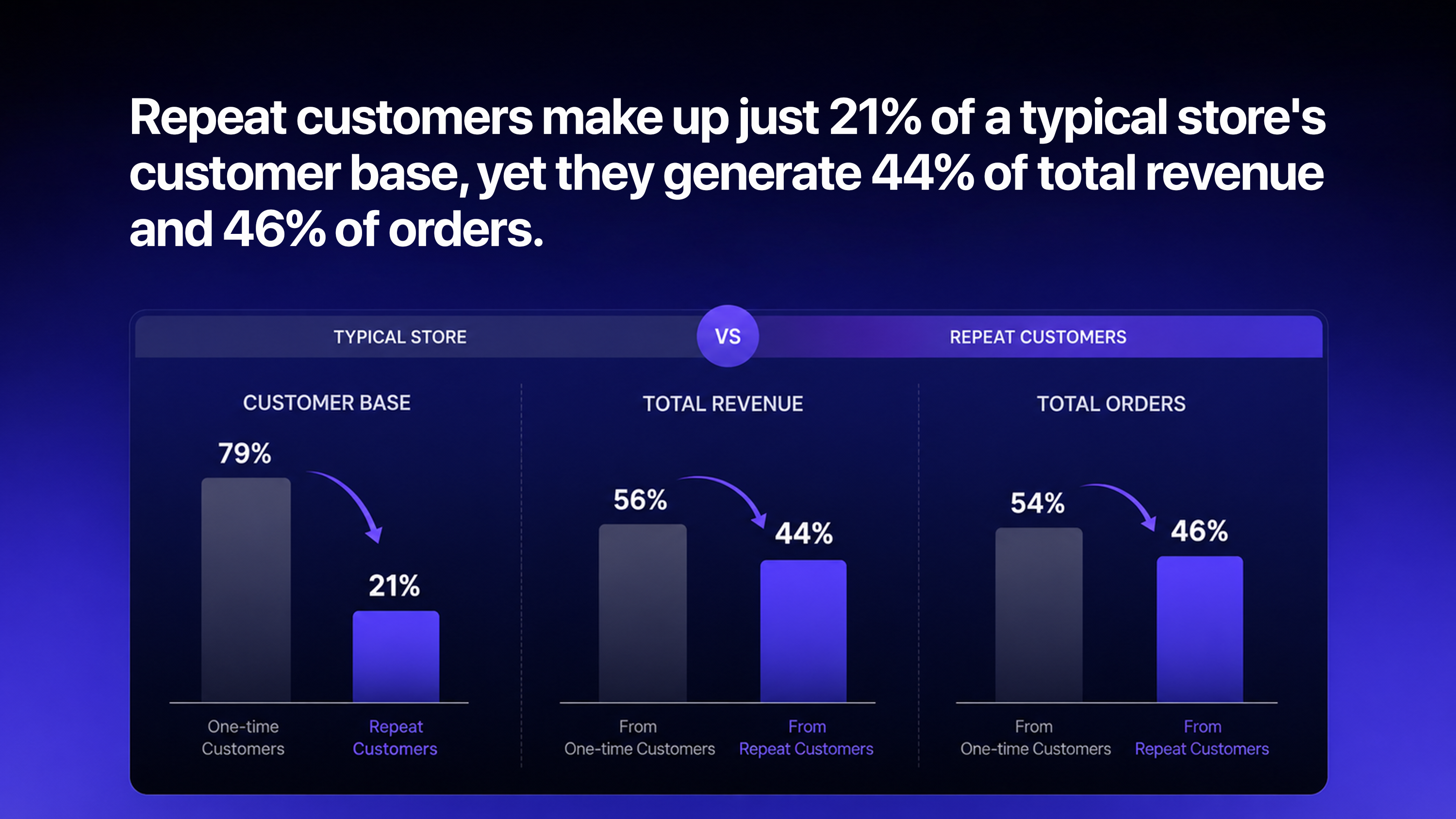
The math favors retention. As a matter of fact, it favors retention heavily. Shopify's own research into ecommerce retention, using data from customer service platform Gorgias, found that repeat customers make up just 21% of a typical store's customer base, yet they generate 44% of total revenue and 46% of orders.
Smile.io – one of the leading loyalty platform in Shopify eco-system – analyzed a whopping 1.1 billion shoppers across 250,000 Shopify brands. Their results? 8% of the repeat customers produce 41% of the revenue. So, shouldn’t you give these 8% a separate platform that rids you of Meta and Google’s dependency? Your own marketing engine? And what’s better than native iOS and Android apps.
Read also: How a UK-based boutique brand raised retention to 41% through Tapday-powered mobile apps.
The profit impact compounds from there. Bain & Company's long-running research on customer loyalty, later popularized through Harvard Business Review, found that a 5% improvement in customer retention increases profits by 25% to 95%, depending on industry. Harvard Business Review's own analysis puts the acquisition-to-retention cost gap at 5 to 25 times: acquiring a new customer costs that much more than keeping one you already have.
Read also: 5 best Shopify mobile app builders
Read those numbers together and the strategic error becomes obvious. Most Shopify brands pour acquisition-level budget into their entire customer base, when a fifth of that base is already responsible for nearly half the revenue, and would keep buying with far less prompting than a first-time visitor needs. Average CAC is a blended number, but the effort behind it rarely is. Too much of it is spent re-earning trust that has already been earned.
A mobile app bypasses the auction system, giving you direct access to your most loyal customers.
A mobile app arms you with push notifications. With Tapday, you get unlimited and AI-powered. It translates into no CPM, no bidding wards, and no per message charge. Once you have brought your loyal shoppers to the app, every message that you’ll send afterwards will cost you nothing.
Tapday is a no-code mobile app builder that converts Shopify web stores into native iOS and Android apps. But there’s more to it. It comes packed with retention and marketing tools so that you can accelerate the shift.
Tapday harnesses the power of AI to turn push notifications into money-printing machine by serving personalized messages across the segmentations.
When we say AI-powered push notification, we are not just using another buzzword. Instead, the AI really does the heavy shifting for you. AI handles the copywriting. All you need to do is to pick a product or collection and the tone you want to use, Tapday’s AI will ready the notification in seconds.
Tapday allows you to segment your audience based on location, tags, spend, or last order dates. You can even create your own segmentation. It means every message is personalized and goes to the right slice of the loyal base, instead of blasting everyone's screen.
The results show up directly in average CAC. At G3T, a 30-year disc golf retailer, customer retention climbed to 90% after moving to Tapday, and the brand now generates one in every three revenue dollars through its iOS and Android apps rather than through paid channels. At Azzam Watches, a legacy retailer across Egypt and the Middle East, the app became the brand's primary retention channel, and paid ad budgets dropped by 41% as a direct result.
95% of the people who click your ad vanish without taking an action. If you want to reach out to them again, you need to spend again - they call it retargeting and it costs you a fortune. And this is the exact problem we have been trying to address here.
With Tapday Clips, you don’t need to pay to retarget your customers. Once your target audience clicks on your ad, you can retarget them for 8 hours with push notifications. Brands using Tapday Clips have reduced average CAC by 75%, increased add-to-carts by 55%, and get 5x ad impressions.
How App Clips work.
With each new app install, every metric that matters for average CAC improves. Across our merchant base, apps see 2x to 3x higher conversion rates from returning users, 4x more repeat purchases, and 5x more retention.
The case studies bear this out at a level individual stores can measure directly. Gran Vía, a luxury fashion brand in Mexico, saw revenue per session rise 187% and conversion rates rise 165% after launching its Tapday app, alongside a 78.4% increase in customer retention and a 32.7% drop in abandoned carts. The Dungeon, a Dubai fitness brand, saw a 130% increase in conversion rate after migrating to Tapday. ELO in Pakistan saw average order value rise 47%. None of that lift required a bigger ad budget. It came from giving existing customers a faster, more direct way to buy again.
One thing that further helps the merchant base with average CAC is that Tapday does not charge commission on sales or usage-fee for features included in Enterprise plan. We are completely transparent and you pay what you see. For full pricing, click here.
So, if you want to bring your loyal customers to mobile app and rid yourself of bidding wars on Meta and Google, Tapday is here.
Being truly a no-code mobile app builder for Shopify store, it allows you to launch native apps within 3 to 5 days. It means you can start selling immediately from the app.
It comes packed with all marketing and retention tools such as push notification, clips, capture kit, drops, integrations, analytics, loyalty, product badges, reviews, and much more. So, start your free trial today or book your demo if you want to talk to our founders directly – and the consultation is totally free.
Content strategist and technical storyteller specializing in the SaaS and e-commerce space. I’m passionate about translating complex technical concepts into clear, actionable guides and helping brands build high-impact digital marketing engines.
Create a feature-rich mobile experience, harness AI-powered marketing tools, and send unlimited push notifications without paying commissions.
Try Tapday for free
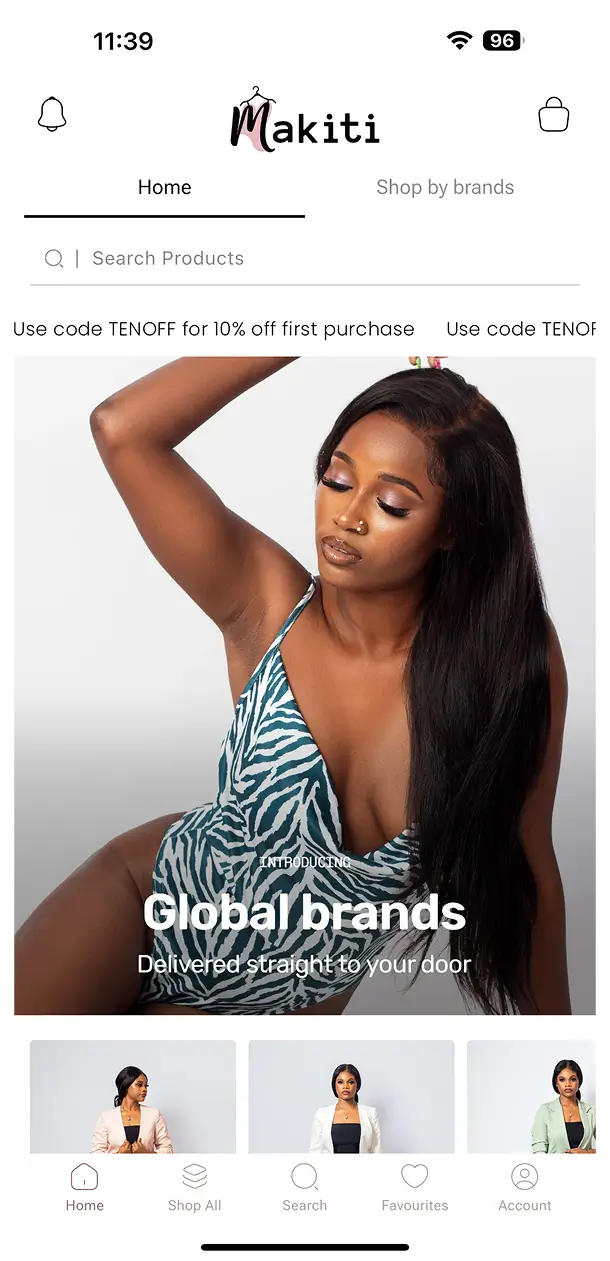
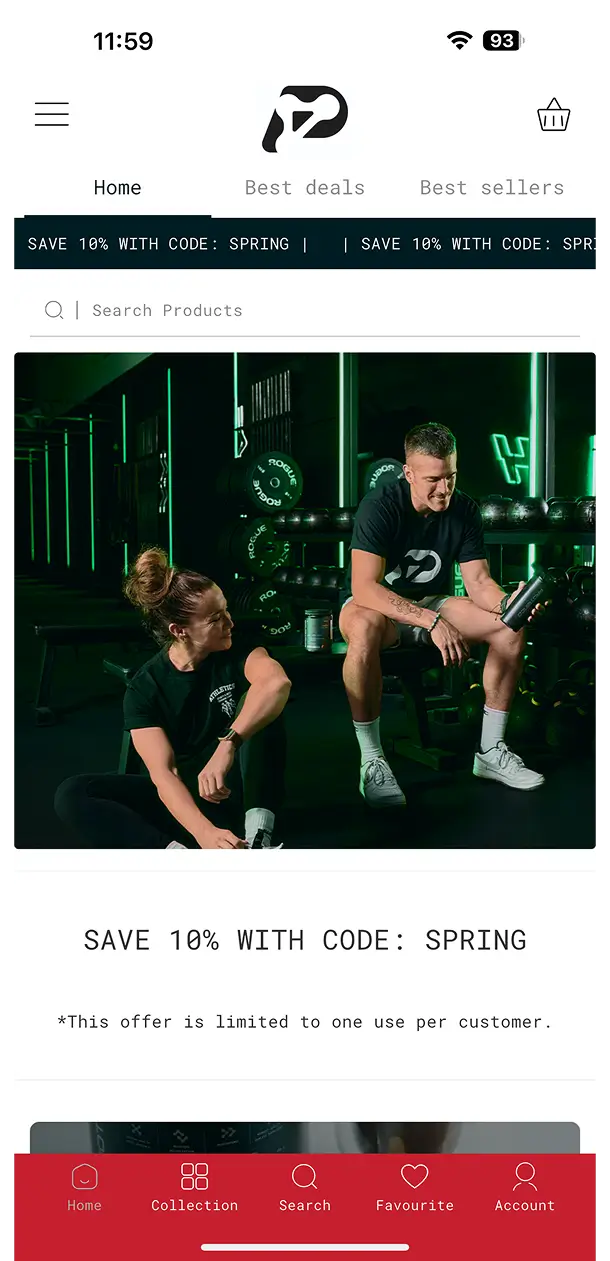
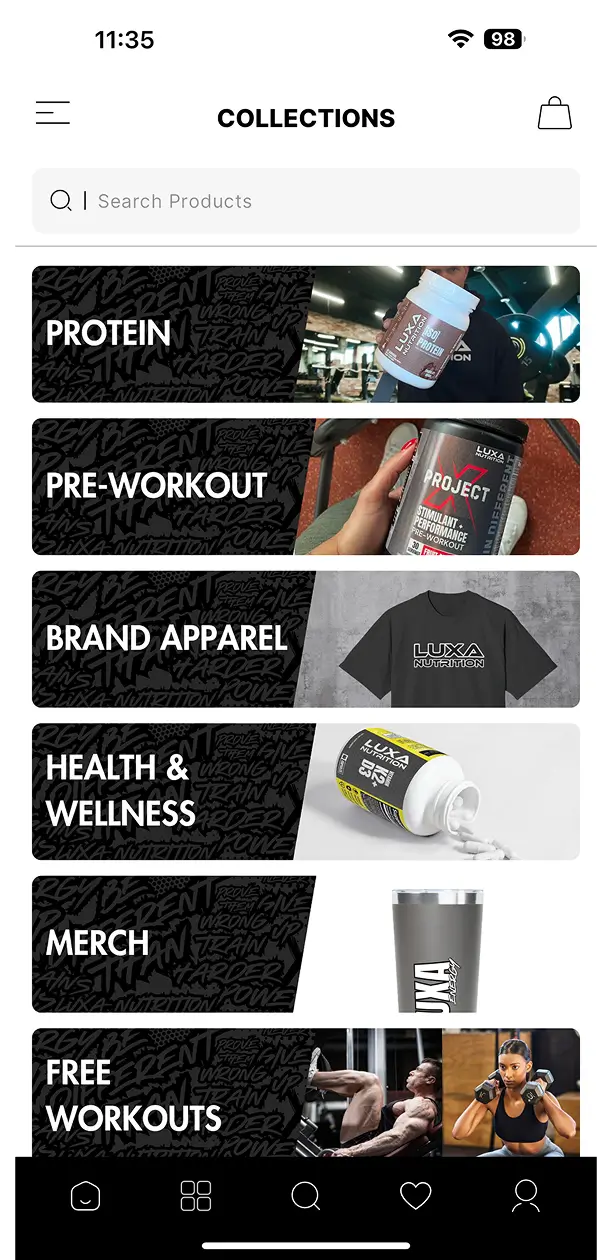

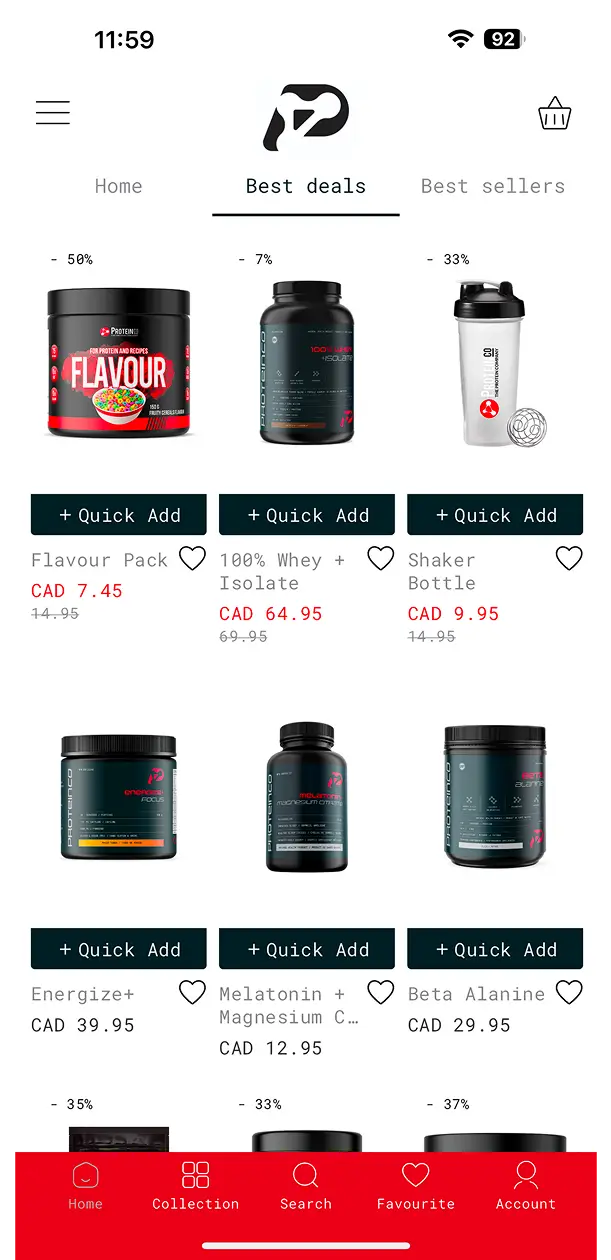

Create a feature-rich mobile experience, harness AI-powered marketing tools, and send unlimited push notifications without paying commissions.
Try Tpaday for free.svg)
© 2025 Tapday, Technologies, Inc. All rights reserved.
.png)



%20(1).webp)
%20(1).webp)
%20(1).webp)
.webp)
