
.webp)


Shopify store owners searching for an app builder free option often fall into hidden pricing traps like freemium limits, revenue sharing, or subscription plus commission models. This guide explains why truly free native app builders don’t exist and how these pricing structures impact long-term growth. It also shows why a transparent flat subscription model delivers predictable costs, better ROI, and scalable mobile app revenue.


%20(1).png)
If you are a Shopify store owner and want to turn your store into a native iOS and Android mobile app, you would probably have at some point made search queries titled as an app builder free of charge or free app maker. And after making such queries, you probably would have noticed something strange that every result promises to be free but still asks for your credit card.
So, is there really an app builder free of charge? Let's find out the answer.
There is no such thing as a genuinely free app builder. Not for a real, functional, native iOS and Android app that you can publish on the App Store and Google Play.
What exists instead are three models dressed up as free:
You get a free trial, but with so many limitations that it is effectively unusable. You can use some very basic widgets to design your app, but you can’t publish it. For instance, you don’t get push notifications, you don’t get product badges or a countdown timer, or multiple pages.
The second model often used by app builders is that they share the revenue you generate from mobile apps. A percentage cap is placed on revenue numbers and several tiers are established. For instance, if your app brings in $100,00 in revenue, you’ll pay 1%; if your app generates $200,000, you will pay 2%, and if your app brings in $300,000, you’ll pay 3%. The more successful you become, the more you pay.
This model suits the app builders. If you make $100K or more, you would end up paying $1000 or more to the app builder every month. So, it’s not sustainable for Shopify merchants as it makes app builders a direct revenue partner of the former.
Then comes the monthly subscription model. In this model, you pay a fixed monthly fee regardless of how much you sell through the apps. For Shopify merchants, this is the most transparent model because the cost is predictable and does not punish your success.
The audacity! Right? But yes, there are app builders out there who charge both a monthly subscription and a commission on sales. There’s a fourth model that charges both a monthly subscription fee.
You need to understand what goes into building a real native mobile app builder, so you can fathom why a genuinely free app builder cannot exist.
A native iOS and a native Android app are 2 completely separate products built on completely separate programming languages. For iOS, the programming language is Swift; for Android, it is Kotlin.
So, an app builder needs to cater to both simultaneously, and doing so requires significant ongoing engineering resources and capital. When an app builder is investing so many resources, does it make sense for them to offer the product to you for free?
Both Apple and Google send frequent updates, and your app needs to fulfill them. If an app does not meet these requirements, it will be rejected by the Play Store and the App Store. This is where app builders come in, as they continuously monitor these updates and update the apps accordingly.
Like the Play Store and App Store, Shopify updates its API regularly. Every app built on Shopify needs to maintain compatibility. This is ongoing work that never stops. And this sort of work requires intensive capital and engineering resources.
Though push notifications are already included in pricing tiers, sending them at scale requires investment in server infrastructure.
When your app has a problem, and your customers cannot check out, you need someone to fix it immediately. That requires human beings available around the clock.
See, every component of this amazing setup costs money. So, if someone is offering it free, it means only two things:
Of all the hidden pricing models in the app maker industry, revenue share is the one that hurts Shopify store owners the most over time. Yet it is often the one marketed most aggressively as free.
Here is the math that the platforms never show you upfront.
Imagine your Shopify store generates $5,000 per month through your mobile app. A platform charging 1.5% revenue share takes $75 that month. That sounds manageable.
But your store grows. By month twelve, you are doing $150,000 per month through the app. Now you are paying $1500 per month. For the same service. With zero additional value delivered.
By month eighteen, your app is generating $300,000 per month. You are now paying $3000 per month. To a platform that is doing exactly what it was doing when you were paying $75.
Meanwhile, a flat monthly subscription of $300 to $600 would have cost you the same every month, regardless of how much you sell through your app.
As a matter of fact, the revenue-sharing model punishes your growth by taking more and more as you grow. It literally makes the app builder an unannounced partner in your business. So, if you are a Shopify store owner and you have built an entire business model around scaling, this approach to building and managing native apps is completely hostile.
So, this brings us to the real question:
What should you pay for building, launching, and maintaining an app?
The answer to this question lies in the value app builders offer. Here is what a legitimate mobile app builder for Shopify should provide:
Not a mobile website dressed up to look like an app. Not a progressive web app. Actual native apps built in the actual programming languages Apple and Google require. Native apps convert at three times the rate of mobile websites, according to Forrester Research. The difference is not cosmetic. It is structural.
A native app builder perfectly syncs your products, inventory, collections, discounts, and customer accounts from mobile store to mobile app. It frees you of from manual labor so that you never have to manually update your app when you update your store.
This could be your best argument ot have a mobile app for your Shopify store in the first place. With third-party platforms such as Google, Amazon, and Meta charging 33% for customer acquisition, the smartest move is to own your marketing engine.
The open rates for mobile app push notifications hover around 40% to 60%, which is almost 40 times higher than email open rates. So, this ability to reach your customers directly on their phone and your messaging getting these staggering open rates is the single most valuable capability a mobile app gives you.
It’s 2026, and if you are still looking for a developer to make a mobile app, then nobody but you is to blame for app-development costs. Drag-and-drop editors have disrupted (yes, it’s overused across SaaS, but for app builders, it genuinely captures the shift) the landscape on how apps are designed, built, and launched.
Adding a banner for a sale, changing the layout for a new collection, and updating the home screen for a seasonal promotion should all be things you can do yourself in minutes.
Best Shopify mobile app builders come with built-in analytics, so you can find out what’s working and what’s not and update your e-commerce strategy accordingly. Downloads, sessions, revenue attributed to the app, push notification open rates. Without data, you are flying blind.
This is another very important factor to consider when committing to a monthly subscription with an app builder. You should pick a mobile app builder that doesn’t lock features behind plans, forces you to upgrade based on sales, takes commissions along with a monthly subscription fee or asks you to get in touch to get a pricing quote.
As Tapday is built exclusively for Shopify merchants, we therefore offer complete transparency when it comes to pricing. You get what you pay for, and there are no hidden charges in any form.
See full pricing by clicking here.
Getting an app approved on the Apple App Store and Google Play Store is genuinely complicated. Your app builder should handle this entirely. We do it at Tapday all the time.
Beyond the direct financial cost there is a hidden cost to chasing free that most Shopify store owners never calculate.
Time cost. Every hour you spend building on a free platform that you eventually discover cannot publish your app or charges you unacceptably to do so is an hour you will never get back. Shopify store owners consistently report spending eight to twenty hours building on free platforms before discovering the limitations.
Opportunity cost. Every month your store operates without a native mobile app is a month where mobile visitors are converting at a fraction of what they would on an app. If your store gets 10,000 mobile visitors per month and you convert 2% of them that is 200 orders. A native app converting at 6% is 600 orders. Every month without an app is potentially 400 orders left on the table.
Customer experience cost. Your brand is built on every interaction a customer has with your store. A slow, friction-heavy mobile browser experience reflects on your brand, even though it is the browser's fault, not yours. A native app with fast load times, saved preferences, and smooth checkout reflects positively on your brand.
Competitor cost. While you are spending weeks investigating free options and discovering their limitations, your competitors who made a decision faster are already sending push notifications to their customers, running in-app exclusive sales, and building the kind of direct customer relationship that reduces dependence on paid advertising.
This is ultimately the reframe that matters most.
The question is not how to make an app for free.
The question is, how do I make an app that generates more revenue than it costs?
If a mobile app costs you $500 per month and generates $20,000 per month in additional revenue from customers who would not have converted on your mobile website, the $500 is not a cost. It is a $19,500 per month return on investment.
That is the calculation worth making. Not how do I pay nothing. But what is the return on what I pay.
Tapday clients report:
These numbers change the financial conversation entirely. An app that converts 3x better than your mobile website is not an expense. It is one of the highest return investments available to a Shopify store owner.

If you came to this article looking for a genuinely free way to build a mobile app for your Shopify store the honest answer is it does not exist in any meaningful form.
What exists is a choice between different payment models, different levels of transparency, and different quality of product.
The right question is not which app builder is free. It is which app builder gives me the best return on what I invest?
Still, if there exists any ambiguity in your mind, book your free consultation with our founders.
Is there truly any free mobile app maker available?
No, there isn’t any. Those app makers who market themselves as free app makers will either take a commission out of your sales or lock you in, and once you are completely dependent on their ecosystem, start charging you an exorbitant amount of money or do both.
What is a drag-and-drop mobile app builder?
A drag-and-drop app builder lets you design, build, and launch native mobile apps without writing a single line of code. It means you don’t need to have technical knowledge or need to learn programming to launch an app for your Shopify store. All you need to do is drag and drop widgets to build an app.
What are the advantages of a drag-and-drop app builder?
The monthly subscription cost for a drag-and-drop app builder hovers between $99 to $599 (depending on the package you choose for your Shopify store). In comparison, an in-house app development team will cost you at least $10,000 to $20,000. Add to this the costs of maintaining infrastructure, and the same climbs to $25000 or more. Agencies also charge large amounts, ranging from $ 3,000 to $ 8,000.
A drag-and-drop app builder allows you to launch an app in under a week. The development period for agencies usually ranges between 3 months and 6 months, and some even go to 12 months.
Drag-and-drop app builders stay in sync with iOS and Android updates. So there are no delays, and your app stays live at all times. On the other hand, agencies and in-house teams usually react to these updates, resulting in app glitches and revenue loss.
How much does a drag-and-drop mobile app builder for Shopify stores cost?
Mobile app builder costs between $99 to $599. Against this price, you can launch native iOS and Android apps for your Shopify store.
What is the best mobile app builder for a Shopify store?
The best mobile app builder for a Shopify store is Tapday. It offers
Content strategist and technical storyteller specializing in the SaaS and e-commerce space. I’m passionate about translating complex technical concepts into clear, actionable guides and helping brands build high-impact digital marketing engines.
Create a feature-rich mobile experience, harness AI-powered marketing tools, and send unlimited push notifications without paying commissions.
Try Tapday for free
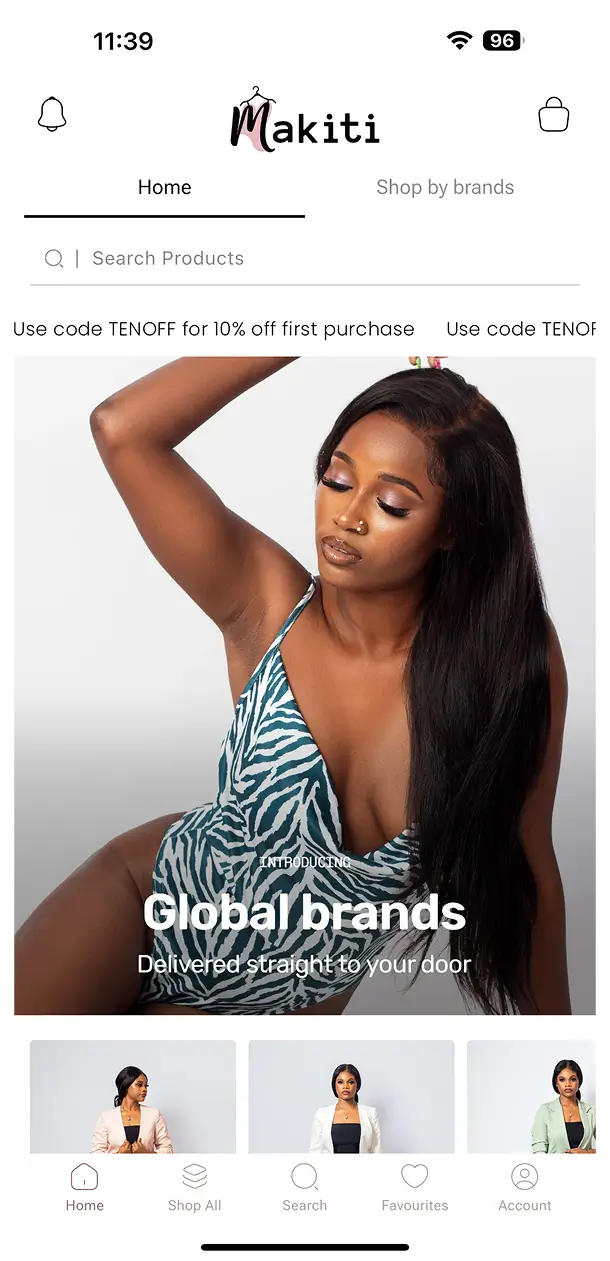
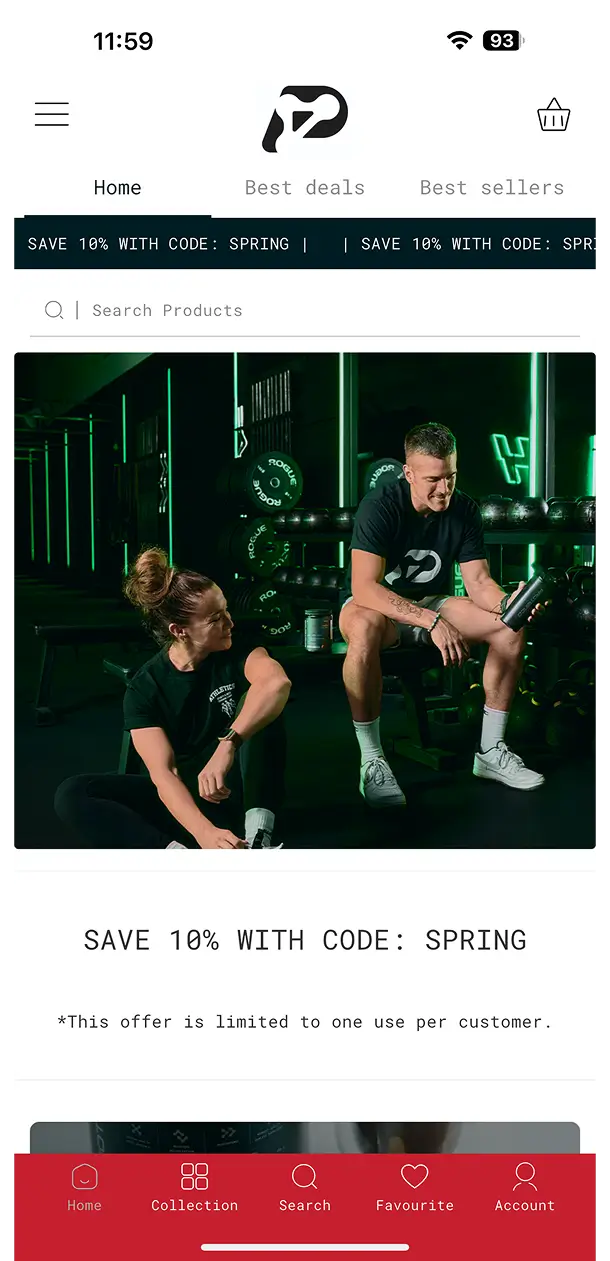
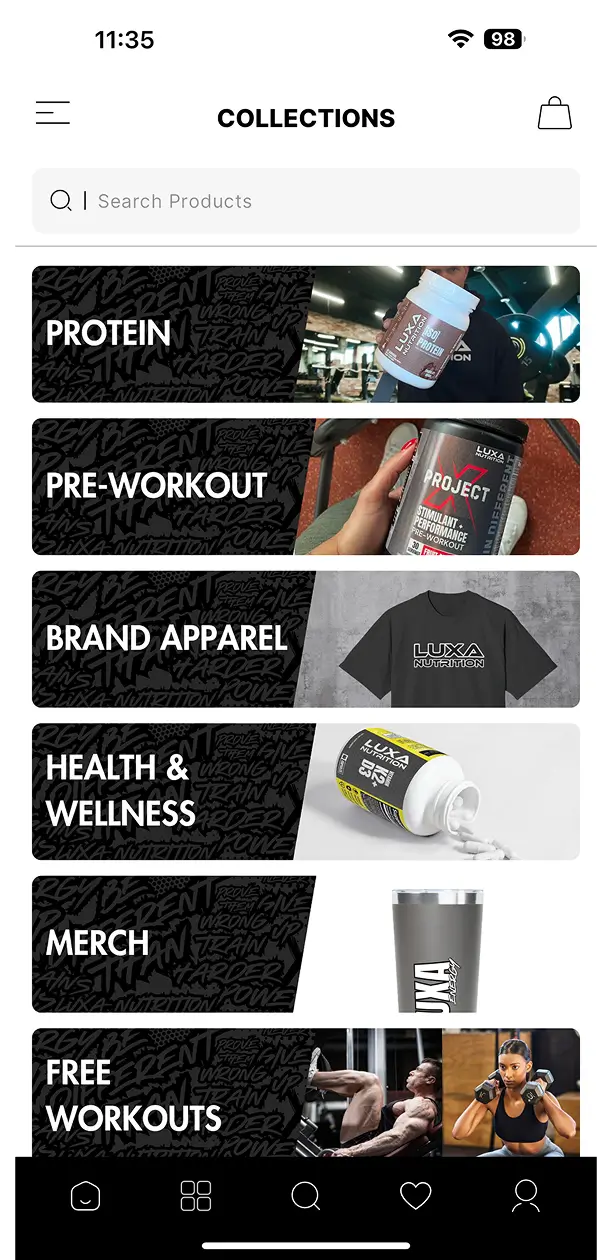
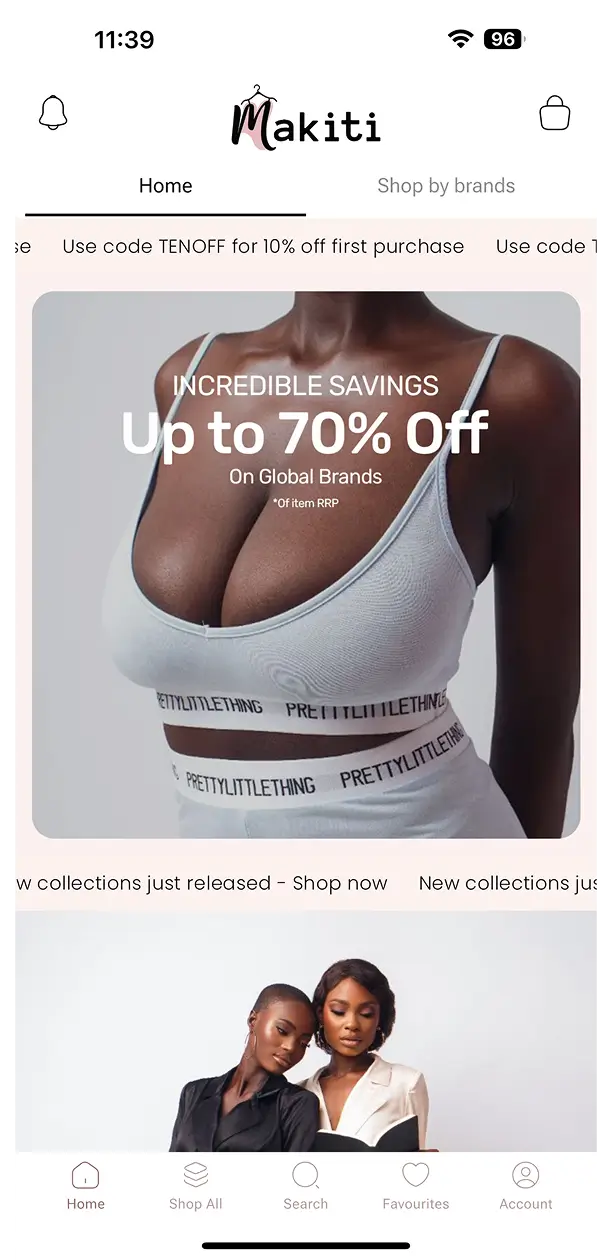
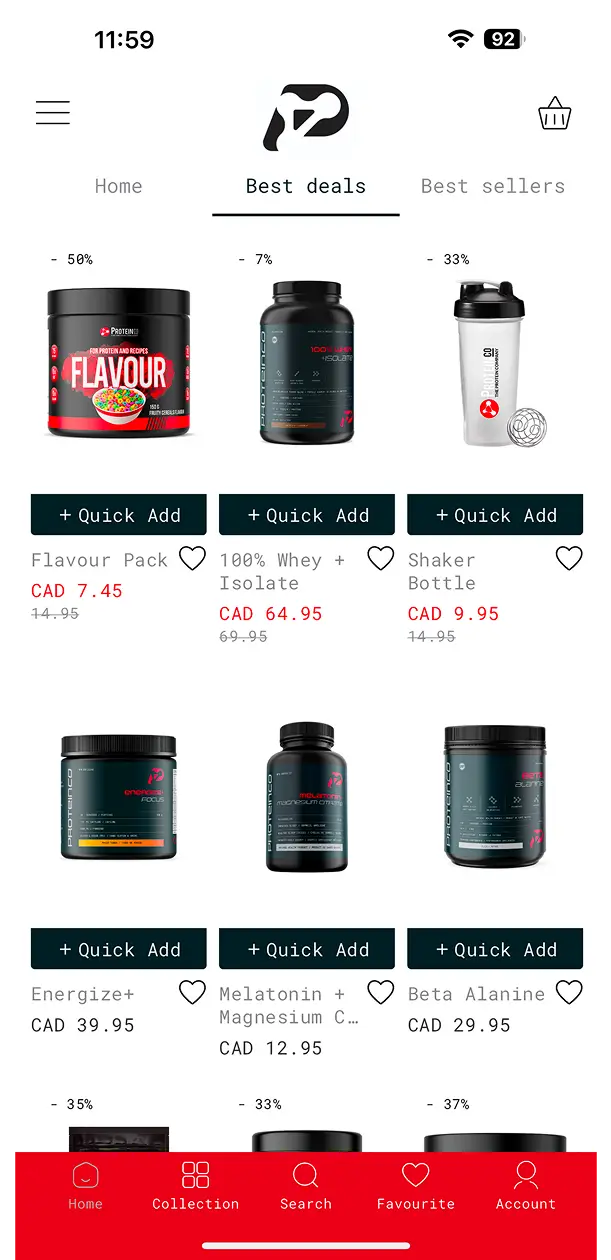
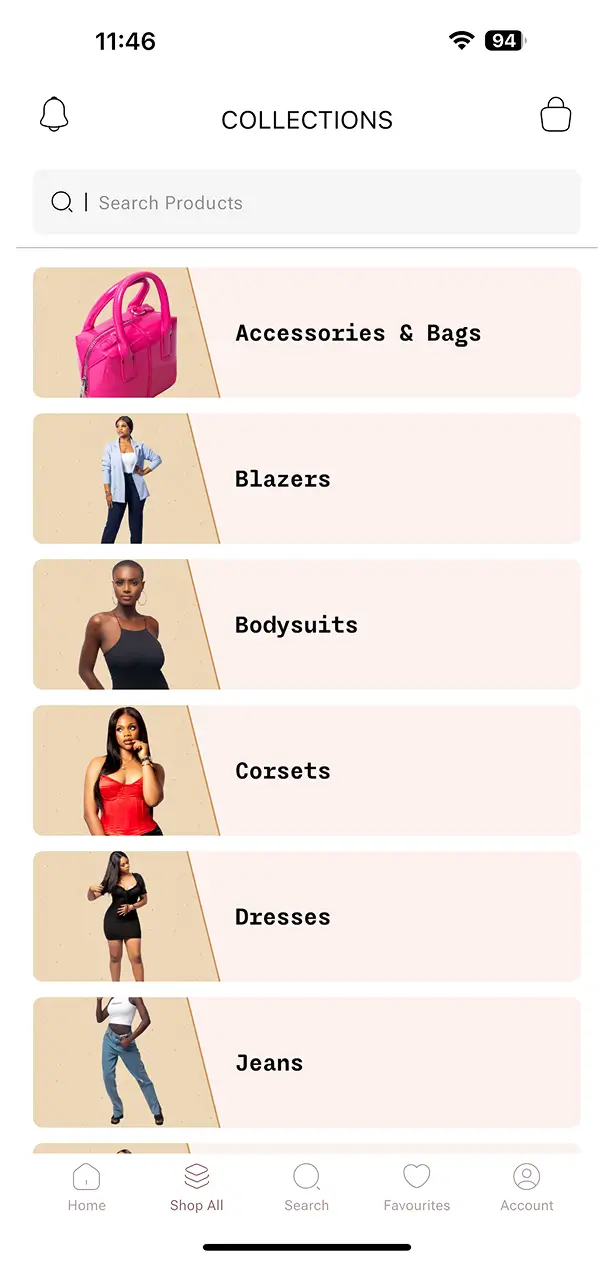
Create a feature-rich mobile experience, harness AI-powered marketing tools, and send unlimited push notifications without paying commissions.
Try Tpaday for free.svg)
© 2025 Tapday, Technologies, Inc. All rights reserved.
.png)



%20(1).webp)
%20(1).webp)
%20(1).webp)
.webp)
